
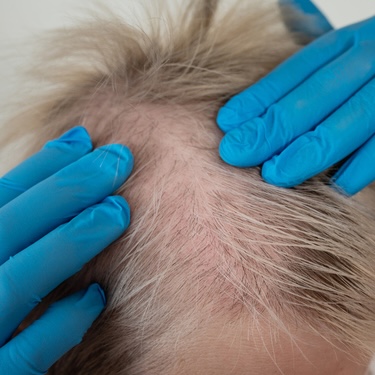
Led by Dr. Samuel Morriss from The Royal Melbourne Hospital in Melbourne, Victoria, Australia, and his colleagues, the study analyzed data from 12 randomized clinical trials involving 4,141 patients aged 12 years and older. The findings offer a clearer picture of how oral JAK inhibitors compare against placebos in restoring scalp, eyebrow, and eyelash hair.
Study Scope and Evaluated Therapies
The systematic review drew from major medical literature databases, including MEDLINE (Ovid), Embase, and the Cochrane Central Register of Controlled Trials (CENTRAL). Among the 12 included trials, 11 focused exclusively on adult populations, while one trial included an adolescent study population making up 15% of the total cohort.
The meta-analysis examined several distinct oral JAK inhibitors currently investigated in this therapeutic landscape:
- Baricitinib
- Deuruxolitinib
- Ritlecitinib
- Brepocitinib
- Ivarmacritinib
- Tofacitinib
Primary efficacy outcomes were measured using the Severity of Alopecia Tool (SALT) score, tracking the proportion of patients achieving specific improvements from baseline. Researchers also closely monitored treatment-related adverse events.
Efficacy Findings and Hair Regrowth Outcomes
The analysis demonstrated that oral JAK inhibitors significantly outperform placebos in achieving meaningful hair regrowth across multiple milestones:
- SALT ≤10: Across six trials, more patients receiving JAK inhibitors achieved a SALT score of 10 or lower compared to placebo at week 24 (odds ratio [OR], 5.69). In three trials extending to week 36, this treatment effect increased further (OR, 9.40).
- SALT ≤20: Two trials showed that a greater number of patients achieved a SALT score of 20 or lower compared to placebo between weeks 12 and 16 (OR, 5.03). This benefit proved durable, supported by eight trials at week 24 (OR, 7.99) and three trials at week 36 (OR, 8.75).
- Milestone Improvements: In three trials, patients on JAK inhibitors were nearly five times more likely to achieve SALT50 at week 12 compared to placebo (OR, 4.96), a benefit maintained across four trials at week 24 (OR, 4.56). Furthermore, in three trials, the odds of patients achieving near-complete hair regrowth (SALT90) were more than 10 times greater with JAK inhibitors than with placebo (OR, 10.11).
Safety Profile and Adverse Events
While the efficacy data demonstrated robust hair regrowth outcomes, safety metrics highlighted important considerations for clinical use. Across all 12 evaluated trials, treatment with JAK inhibitors was associated with a higher overall risk for total adverse events when compared to placebo or azathioprine.
However, the analysis found no statistically significant differences between JAK inhibitors and placebos regarding:
- Rates of severe adverse events
- Serious adverse events
- Treatment discontinuations due to adverse events
Clinical Implications
Dr. Morriss and his colleagues concluded that these findings significantly strengthen the evidence base supporting oral JAK inhibitors as an effective systemic therapy for patients dealing with moderate-to-severe alopecia areata. At the same time, the study authors emphasized the ongoing need for direct comparative trials between different agents and greater standardization of outcome measures moving forward.
