
New Virtual Reality Spacecraft Simulator Aims to Optimize Cockpit Design Using Microgravity Data
Researchers at the Indian Institute of Science (IISc) in Bangalore have introduced a configurable Virtual Reality (VR) spacecraft simulator designed to address a critical gap in aerospace engineering: human factor evaluation for cockpit design. While standard simulators primarily focus on crew training or client demonstration, the new system leverages human-machine interaction (HMI) data collected from astronauts during microgravity studies to help optimize future spacecraft layouts.
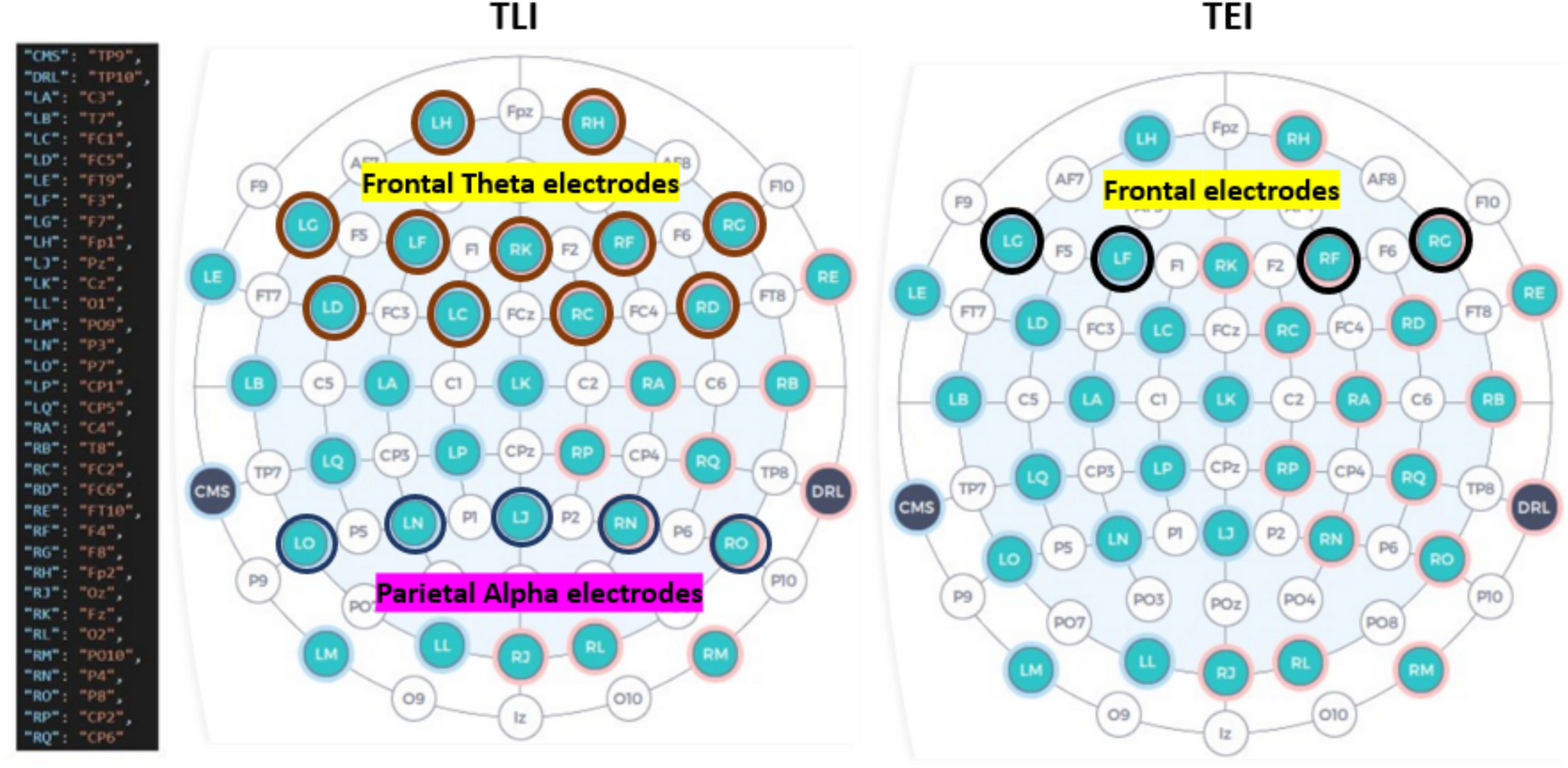
Published in Scientific Reports, the study details how the VR platform integrates physiological and behavioral tracking tools—including eye gaze trackers and electroencephalogram (EEG) systems—to evaluate usability during immersive task executions. The system simulates scenarios such as deorbiting maneuvers, emergency responses, and robotic arm operations, allowing researchers to measure task completion times and cognitive workload indicators like the nearest neighborhood index (NNI) in microgravity conditions.
The research builds upon data gathered from two astronauts as part of the experiment titled "Analyzing Human Interaction with Electronic Displays in Microgravity," selected by ISRO's Human Space Flight Center (HSFC) for the ISRO-NASA joint mission to the International Space Station (Axiom-4 mission). By combining CAD environments with real-world microgravity data and robust statistical analysis, the simulator aims to provide aerospace designers with a common platform to make more informed, human-centric design decisions.
