
A recent prospective cohort study published in BMC Infectious Diseases indicates that switching antiretroviral medications or adding a targeted bone treatment can help reverse bone mineral density loss caused by tenofovir disoproxil fumarate (TDF) in individuals living with HIV.
Restoring Bone Health After TDF Exposure
For two decades, TDF has served as a foundational, cost-effective component of global HIV treatment regimens. However, its long-term use is associated with a reduction in bone mineral density. To investigate whether this skeletal damage can be repaired, researchers evaluated 223 virologically suppressed men living with HIV who exhibited low bone mineral density while on TDF-based therapy. Participants were young and free of chronic hepatitis B co-infection, allowing investigators to isolate the effects of the treatment adjustments.
The 48-week study tracked outcomes across four real-world clinical management groups: patients who continued their baseline TDF regimen, patients who stayed on TDF but received a single 5-milligram intravenous infusion of zoledronic acid, patients who switched to a fixed-dose combination containing bictegravir, emtricitabine, and tenofovir alafenamide (TAF), and patients who transitioned to a tenofovir-sparing two-drug regimen of dolutegravir and lamivudine.
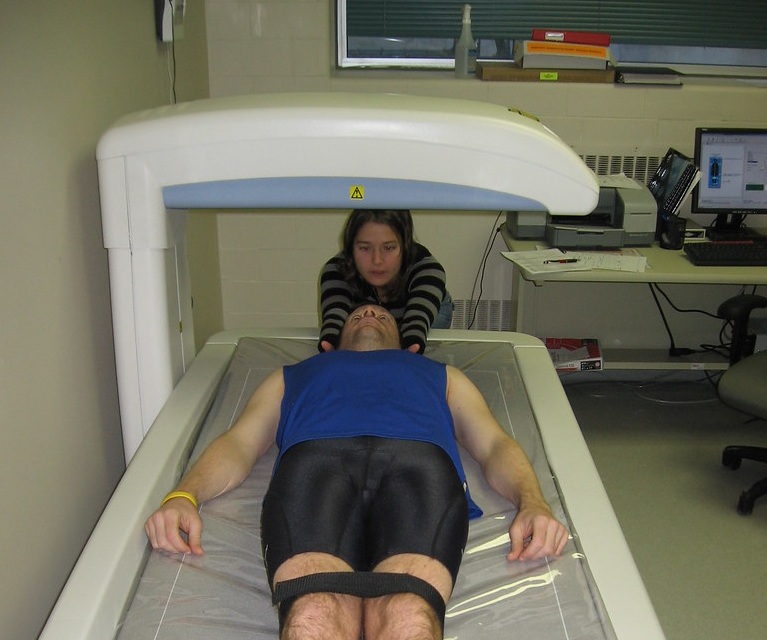
Using dual-energy X-ray absorptiometry, researchers measured absolute changes in bone mineral density at the femoral neck, total hip, and lumbar spine. The findings demonstrate that both switching away from TDF-containing regimens and administering the potent bisphosphonate zoledronic acid offer viable pathways for rebuilding bone density lost during long-term HIV therapy.