
Latest News
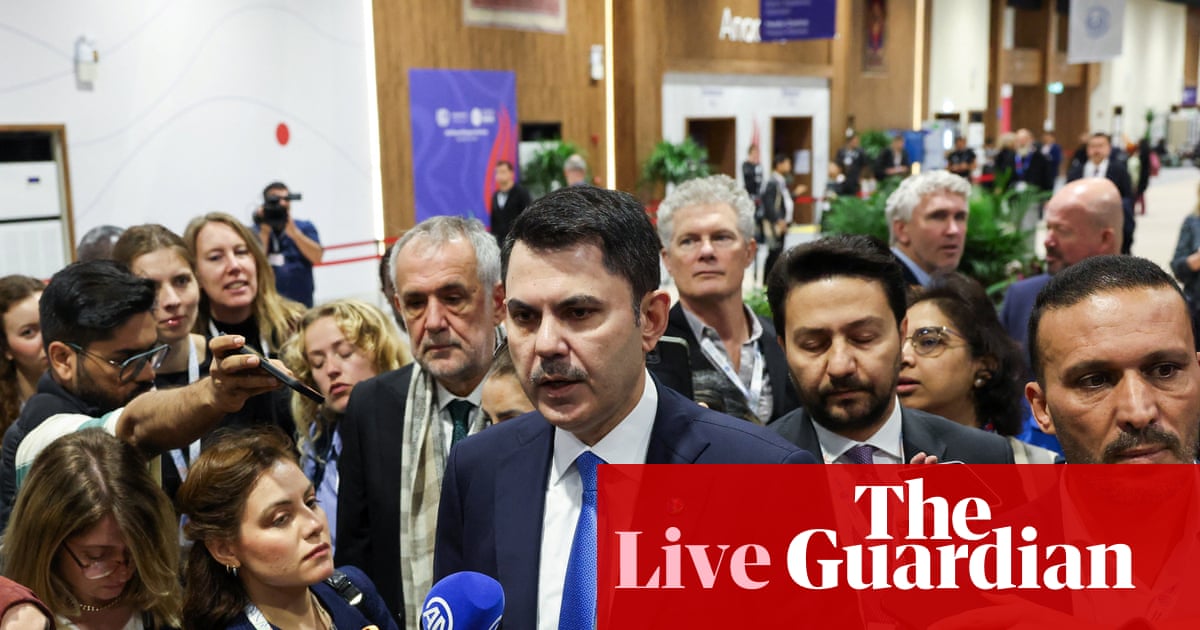
Cop31 live: A new draft deal on the table as talks go into final hours - The Guardian
COP31 Concludes in Deadlock After Failure to Reach Climate Deal The COP31 climate summit in Antalya, Turkey, has officially concluded without a consensus on a final "cover decision," mark...
Primary sourcePakistan · Latest News ↗
COP31 Concludes in Deadlock After Failure to Reach Climate Deal
The COP31 climate summit in Antalya, Turkey, has officially concluded without a consensus on a final "cover decision," marking a significant breakdown in international climate diplomacy. Despite extending into the longest overtime period in the history of UN climate summits, delegates were unable to bridge deep divisions regarding the role of fossil fuels and climate finance.
Sources used
- Pakistan · Latest News · Nov 22, 2026 15:11
- BBC News · Global · Nov 22, 2026 08:58
- United Kingdom · Top Headlines · Nov 22, 2026 23:24
- Pakistan · Latest News · Nov 22, 2026 22:57
- dw.com · Nov 20, 2026 14:52
- Pakistan · Latest News · Nov 22, 2026 21:45
