
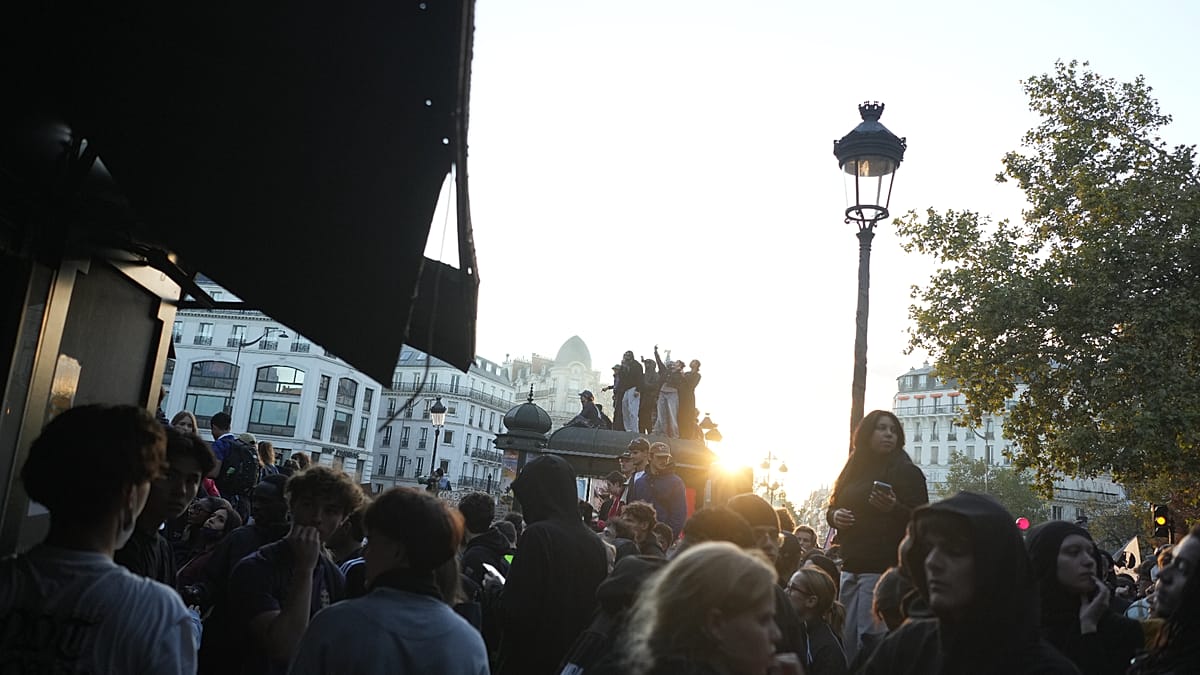
Over the weekend, thousands of citizens took to the streets across multiple European nations to voice deep frustrations over rising living costs, unaffordable housing, stagnant wages, and strained public services.
The widespread demonstrations, which unfolded primarily in mid-October 2026, highlighted mounting economic pressures on household budgets throughout the region. While the specific grievances and demands differed by country, common triggers included high expenses for food, energy, and housing that have outpaced wage growth over recent years.
Widespread Unrest and Property Damage in France
In France, hundreds of thousands of students and other citizens joined demonstrations concerning living costs and public service strains. Although many marches were peaceful, some gatherings in major cities devolved into rioting and looting. Retail and Trade Federation President Alexandre Bompard reported that roughly 1,500 shops and retailers sustained damage, with costs estimated in the hundreds of millions of euros.
The unrest led to severe property destruction, including fires at the Limoges city hall and a tourist office in Lyon, alongside ransacked municipal buildings in Marseille, Lille, Angers, and Bordeaux. French President Emmanuel Macron condemned those who sought to harm the Republic, while local officials emphasized that public destruction cannot be justified by legitimate economic grievances.
Demonstrations Across Belgium, Portugal, and Italy
Similar economic discontent sparked protests in neighboring Belgium, where police clashed with demonstrators in Brussels and Liège. Belgian Interior Minister Bernard Quintin described portions of the unrest as pure violence rather than standard protest. Meanwhile, Portuguese trade unions and housing-rights advocates organized rallies demanding higher wages, better pensions, and urgent intervention on soaring rents and mortgage rates. In Italy, demonstrations over economic conditions in cities such as Milan, Turin, and Bologna resulted in injuries and multiple detentions following clashes.
Underlying Economic Pressures
The demonstrations reflect broader economic strain driven by cumulative increases in food, housing, and energy expenses. Eurostat data indicates that EU food and non-alcoholic beverage prices surged by 34% between August 2021 and August 2026. While inflation rates have slowed, overall price levels remain elevated compared to previous years, leaving consumers with less budgetary flexibility and highlighting the ongoing challenge of aligning wages with the cost of essentials.