
Membraneless Barriers Control RNA Surveillance in Cells
Researchers have uncovered how cells use membraneless structures to organize complex biochemical tasks, specifically regarding how RNA is monitored and silenced. A study published in *Nature Cell Biology* reveals that *Caenorhabditis elegans* germline cells utilize two distinct types of "biomolecular condensates"—P granules and Mutator foci—to create a two-tier surveillance system that regulates gene expression without the need for physical membranes.
A Two-Tiered Surveillance System
The study explains that these condensates act as specialized compartments that control which molecules can enter and what happens to them once inside.
- P granules act as the first point of contact, broadly admitting RNA to allow for "scanning" by the protein PRG-1. This process identifies specific RNA targets for potential silencing.
- Mutator foci serve as the second, more restrictive tier. These structures act as a selective barrier that excludes most RNA, only allowing entry to transcripts that have been flagged for silencing.
The Role of MUT-16
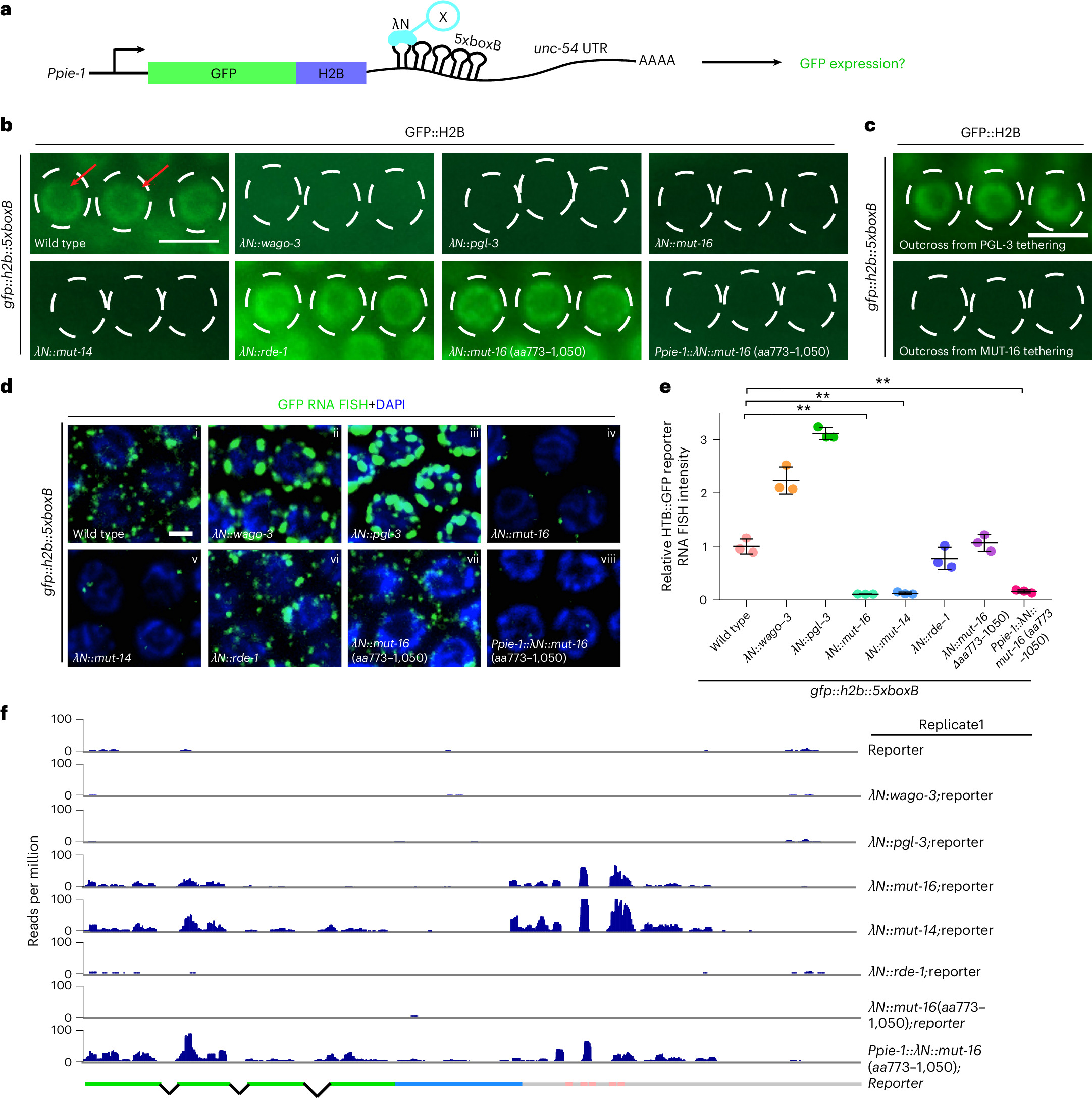
The researchers identified the protein MUT-16 as the critical "gatekeeper" for Mutator foci. By analyzing the structure of MUT-16, the team found that a specific C-terminal domain—rich in negatively charged residues—is essential for maintaining the barrier that excludes RNA. When this domain was disrupted in experiments, the barrier failed, leading to "promiscuous" or unintended RNA silencing and reduced fertility in the organisms.
Why It Matters
This discovery provides new insight into how cells maintain order and regulate genetic material. By demonstrating that condensate scaffolds can physically exclude or permit molecules based on their properties, the findings explain how cells achieve precise spatial control over biochemical reactions. This membrane-independent compartmentalization ensures that silencing machinery is only applied to the correct targets, preventing the accidental degradation of essential genetic information.
