
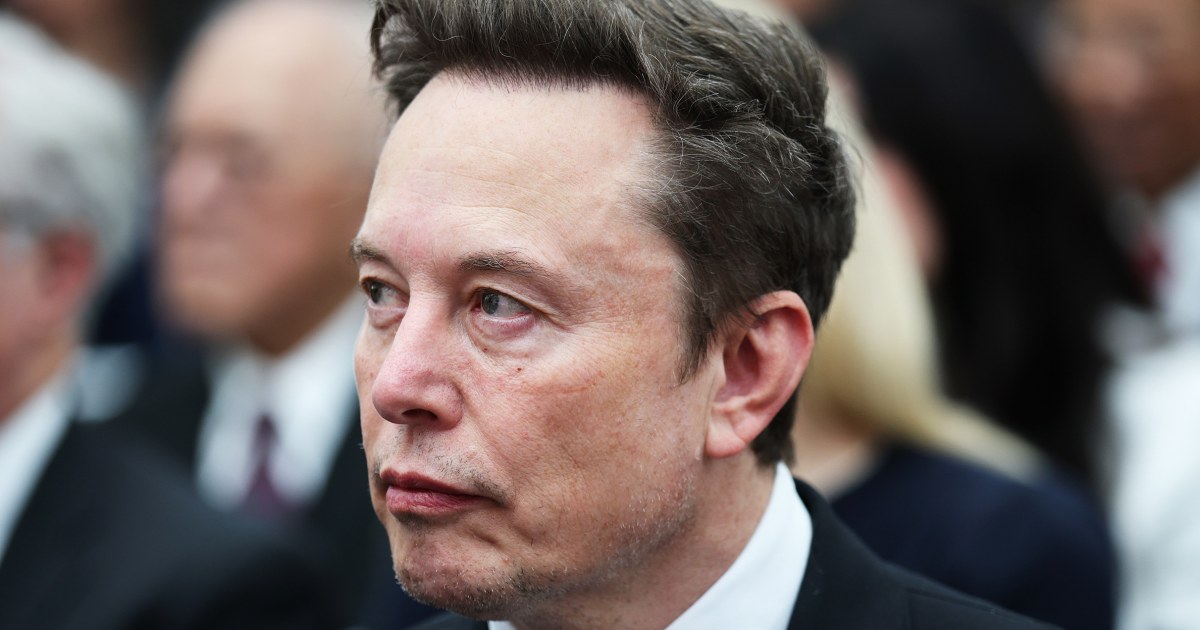
Elon Musk moved his homes and corporate headquarters to Texas to escape California’s regulatory environment, but a dramatic shift in the state's political landscape following the November election has brought those progressive policies right to his doorstep.
In a historic sweep, Texas Democrats won every statewide executive office and flipped the state House for the first time in over twenty years. Gina Hinojosa was elected governor, marking the first time a Democrat has held the office since 1990. State Representative James Talarico also secured a decisive victory in the U.S. Senate race against Republican Ken Paxton.
Musk, who became the world’s richest person and a massive Republican donor during the cycle, spent heavily to back conservative candidates, including millions toward ads supporting Paxton and Governor Greg Abbott's campaign. Following the election results, market reactions were immediate, with Tesla and SpaceX shares dipping.
Governor-elect Hinojosa will inherit an office that previously oversaw billions of dollars in tax incentives and grants for Musk's enterprises, which now employ over 20,000 workers in the state across facilities like SpaceX’s Starbase and upcoming manufacturing projects. Hinojosa has previously pledged to institute strict limits on data center approvals and reevaluate corporate tax incentives, setting up a potential clash with the tech mogul's expanding regional infrastructure.
Despite the Democratic sweep in executive offices and the state House, Republicans retained a 19-12 majority in the state Senate, paving the way for Texas's first divided government in nearly three decades. As Hinojosa prepares to take office on January 19, the unfolding political dynamic tests the future of the state's business-friendly climate and Musk's red-state refuge.
