
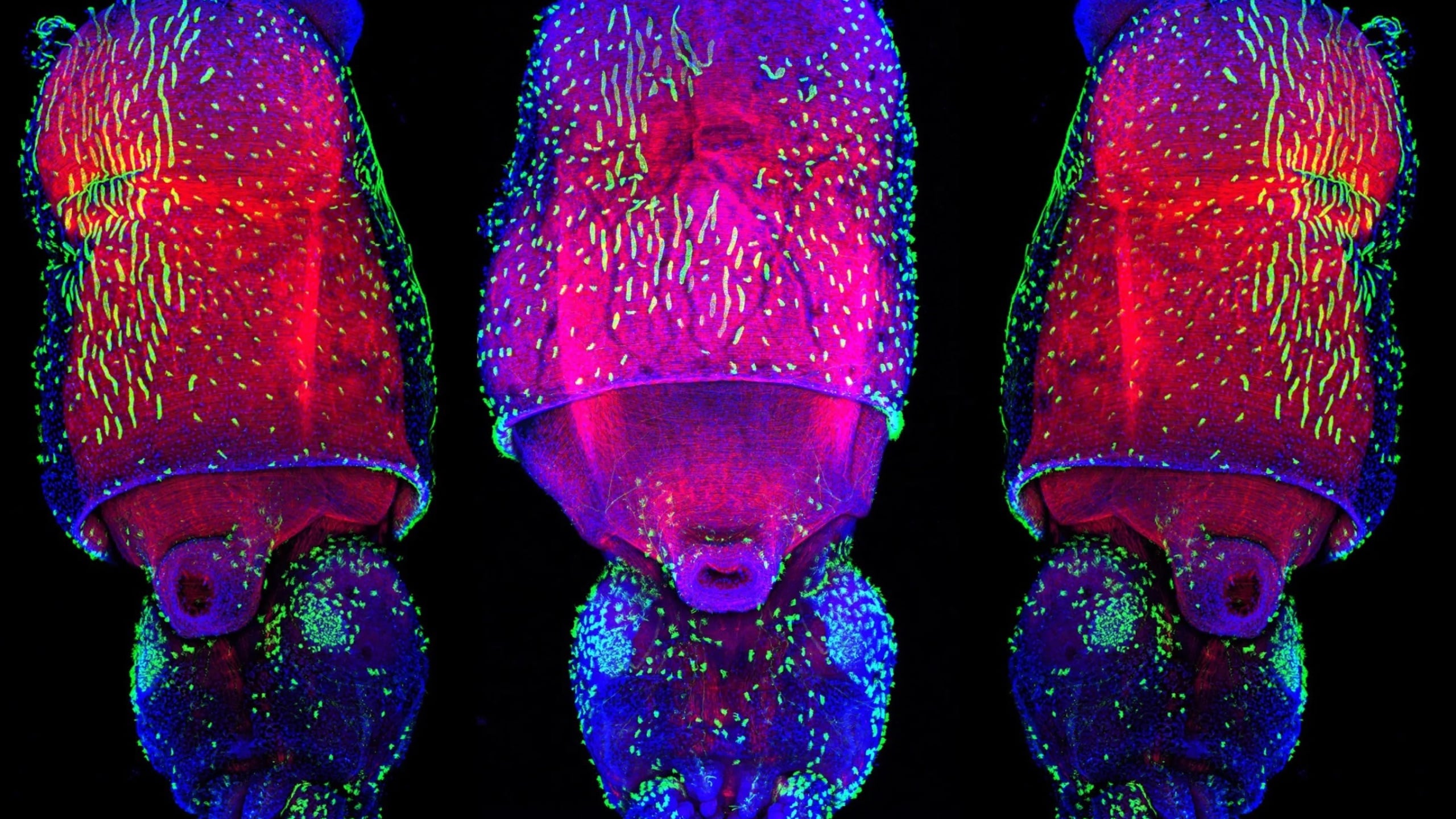
New research reveals that coleoid cephalopods—including squids, octopuses, and cuttlefish—possess an extraordinary ability to alter their genetic expression without changing their underlying DNA. Published in the journal Cell, a study led by bioscientists at the University of California, San Francisco (UCSF) sheds light on how these marine animals use RNA editing to modify proteins on a massive scale.
While humans and other animals experience reversible transcriptomic remixing through a process known as adenosine deaminase acting on RNA (ADAR), no other creatures match the efficiency and breadth seen in cephalopods. The research team examined the proteome of the longfin inshore squid (Doryteuthis pealeii), analyzing nearly 8,000 editing sites across more than 2,000 proteins in the squid's optic lobe and gills.
First author and UCSF cellular and molecular scientist Jack Moen noted that the edits affect protein activity, stability, localization, and organelle health. By altering RNA instructions rather than the master DNA blueprint, squids can generate diverse protein properties safely. The study found particularly frequent and complex editing activity within the optic lobe, which supports the squid's sophisticated central nervous system and visual processing capabilities.
The findings also uncovered thousands of short protein sequences not found in standard reference databases, along with modifications that influence energy-making mitochondria and creatine systems. Researchers explain that this unmatched genetic flexibility highlights the unique evolutionary path of cephalopods, though further study is needed to determine how much of this vast theoretical protein diversity the animals actively produce in the wild.
