
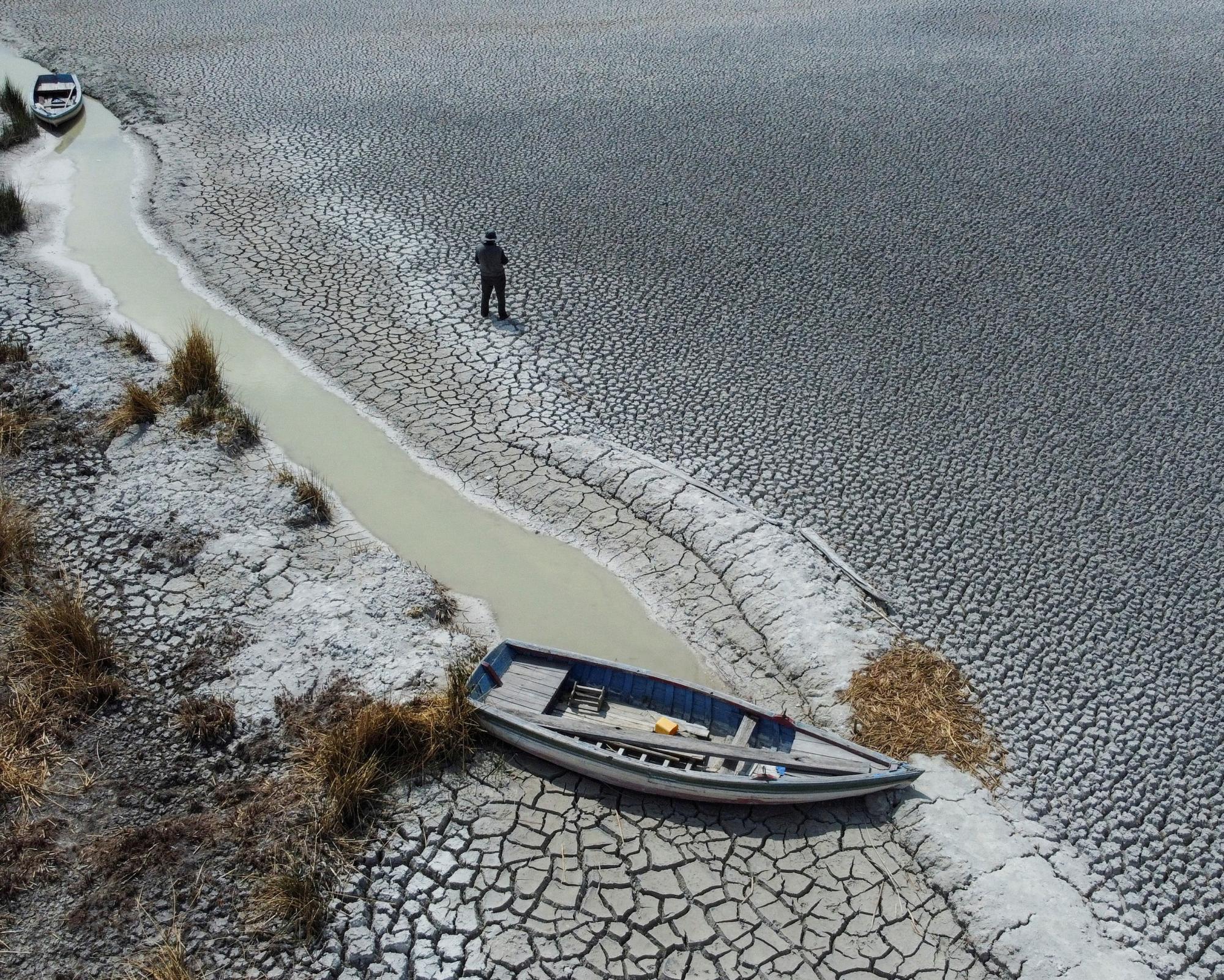
An international scientific analysis reveals that water levels in lakes, rivers, and reservoirs experienced an unprecedented decline globally during 2023 and 2024, the two hottest years on record. Published following a collaboration led by the Chinese Academy of Sciences, the study tracked global surface freshwater systems using river flow measurements from 150 major basins alongside satellite data monitoring over 1.2 million lakes and reservoirs between 1991 and 2025.
According to the findings, global river flows dropped to approximately 5.7% below normal, while water storage in lakes and reservoirs fell by 9.5%. Researchers noted this represents the largest synchronized decline in surface water recorded since at least 1991. The impacts were particularly severe in South America, where river flows decreased by 17.8% and lake and reservoir levels fell by 16.5%.
Experts explain that the drops are driven by climate change intensifying the water cycle. A warmer atmosphere pulls increased moisture from soils and water bodies while speeding up evaporation over hot land. Much of this resulting precipitation falls over the oceans rather than land regions, creating a paradox where global precipitation increased while terrestrial areas faced deficits. This dynamic produces severe climate whiplash, causing rivers to run low even in regions that experienced extreme rainfall and flooding.
