
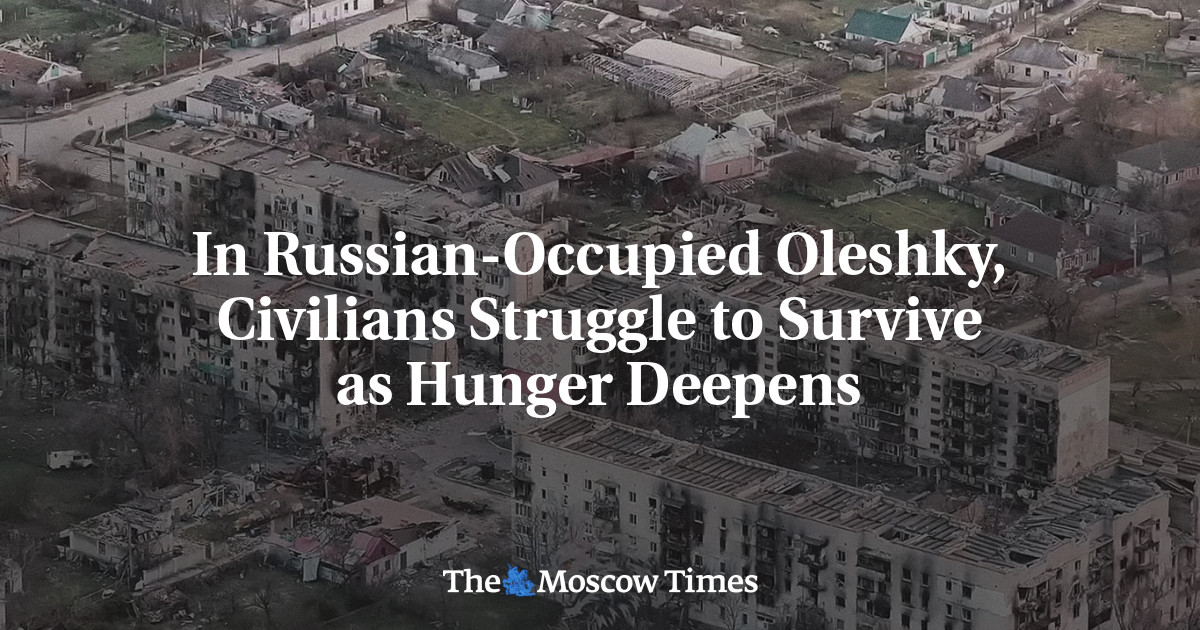
The imported headline has not been independently verified. This background is not confirmation of the reported event.
Unverified Claim
The specific claim that residents have been without food deliveries since May and are fleeing a Russian‑occupied area has not been independently confirmed. The following background information is provided to give context to the broader issues involved.
Background
Since the escalation of hostilities in eastern regions, many communities have experienced significant disruptions to their food supply chains. Occupation or control by foreign forces can limit access to markets, transportation routes, and local production, creating conditions where residents may struggle to obtain sufficient nutrition.
Humanitarian Challenges
In conflict zones, delivering humanitarian aid is often complicated by security concerns, restricted movement, and the need for coordination with multiple actors. Aid agencies typically rely on negotiated access agreements, but these can be fragile and subject to change. When access is denied or limited, local populations may face shortages of essential goods, including food.
International Response
Global organizations such as the United Nations, the International Committee of the Red Cross, and various non‑governmental organizations routinely assess and respond to food insecurity in war‑torn areas. They work to secure safe corridors for aid, provide emergency nutrition programs, and support local food production where possible. Their reports often highlight the urgency of maintaining supply lines and the risks posed by prolonged blockades or restrictions.
Conclusion
Food insecurity and displacement are common consequences of armed conflict, especially when external actors control key infrastructure. While specific incidents may not yet be verified, the broader patterns of disrupted supply chains, limited humanitarian access, and the resulting humanitarian crisis are well documented in conflict‑affected regions worldwide.