
Artificial Intelligence Matches Expert Performance in Tuberculosis Radiography and Genomic Diagnostics
Artificial intelligence (AI) is emerging as a transformative force in the global fight against tuberculosis (TB), a disease that continues to affect more than ten million people annually. A recent review published in the journal *Molecular Medicine* highlights how deep learning and machine learning algorithms are now capable of matching or exceeding the diagnostic accuracy of human experts in both radiological and genomic assessments.
These computational advancements offer a scalable solution to the persistent limitations of traditional diagnostic workflows. By automating complex interpretations, these technologies aim to bridge the gap in high-burden, resource-limited regions where diagnostic delays often hinder treatment and drive disease transmission.
Advancements in Radiological Screening
Traditional TB diagnosis often relies on sputum microscopy, microbiological culture, and nucleic acid amplification assays. These methods are frequently hampered by long turnaround times, the need for specialized laboratory infrastructure, and a reliance on highly trained personnel.
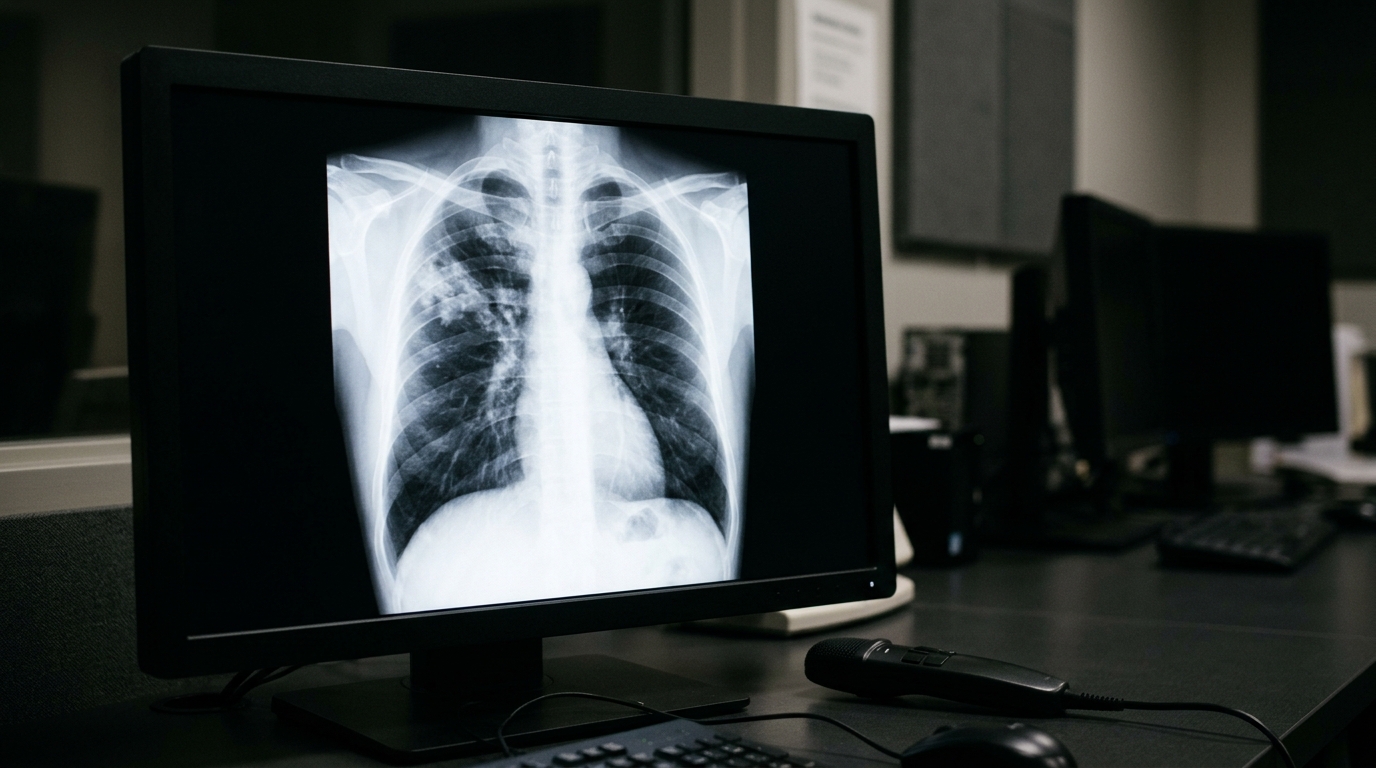
In the field of diagnostic radiology, deep learning architectures are providing a faster alternative. By analyzing chest radiographs, these AI models have demonstrated high diagnostic precision, with area under the receiver operating characteristic (ROC) curve values reaching between 0.95 and 0.99. This level of performance effectively matches the diagnostic capabilities of human experts, allowing for rapid screening in clinical settings.
Genomic Insights and Drug Resistance
Beyond imaging, machine learning platforms are reshaping how clinicians characterize *Mycobacterium tuberculosis* infections. Traditional phenotypic drug-susceptibility testing is notoriously slow, often delaying the selection of appropriate treatment regimens.
AI systems trained on whole-genome sequencing data are now capable of predicting complex bacterial drug-resistance profiles with F1-scores exceeding 90 percent. This computational approach provides a more comprehensive and efficient diagnostic pathway than conventional culture-based methods, enabling healthcare providers to identify effective treatments much sooner.
The Future of Multimodal Integration
To further improve patient outcomes, researchers are moving toward integrative, multimodal frameworks. These systems combine disparate data streams—including radiological images, whole-genome sequencing, and individual clinical parameters—into a unified predictive pipeline. By synthesizing these multifaceted inputs, these models support:
- Personalized Therapy: Tailoring treatment regimens to the specific biological profile of the patient.
- Clinical Risk Stratification: Providing real-time assessments to prioritize care for high-risk individuals.
- Comprehensive Diagnostics: Delivering a more holistic view of the infection than any single diagnostic tool could provide alone.
Challenges to Global Implementation
Despite these technical successes, the integration of AI into routine clinical practice faces significant hurdles. The review identifies a lack of regulatory harmonization across international jurisdictions as a primary obstacle to the standardized deployment of these tools.
Furthermore, the successful adoption of AI in TB care requires robust governance, transparent model validation, and the use of representative clinical training datasets to prevent algorithmic bias. The authors emphasize that sustainable progress will depend on multidisciplinary collaboration between data scientists, clinicians, microbiologists, and public health policymakers. With careful implementation, these technologies hold the potential to create a more efficient and patient-centered diagnostic continuum, supporting the international goal of eliminating tuberculosis by 2030.
