
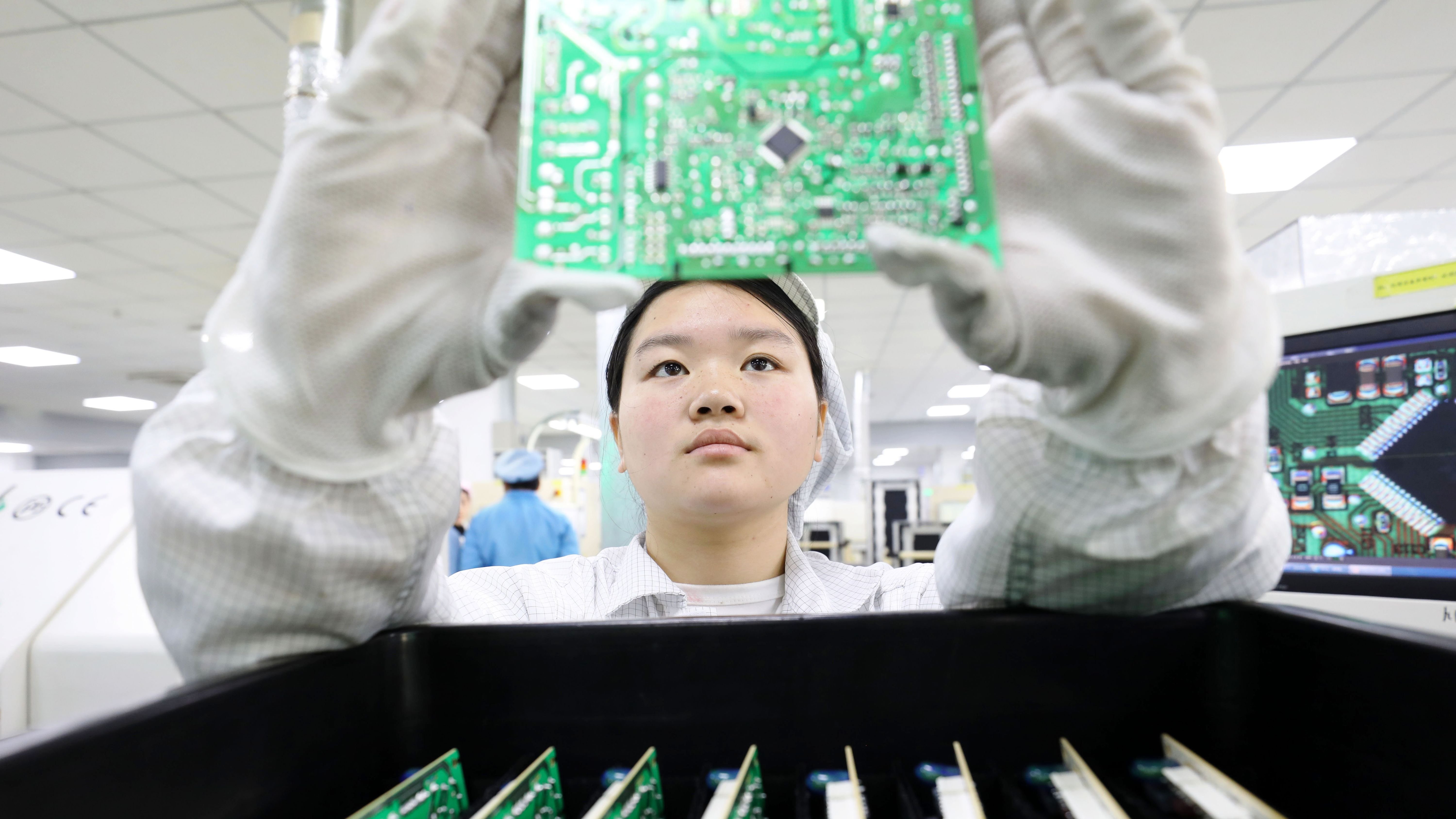
Europe is facing a critical supply crunch for printed circuit boards (PCBs), the foundational components required for nearly all modern electronics. Without them, automobiles cannot drive, airplanes cannot fly, and even household appliances like coffee machines fail to operate. This widespread shortage highlights the continent's deep reliance on overseas suppliers for critical technology.
The current situation underscores the near-total disappearance of domestic manufacturing capabilities, leaving European industry vulnerable to shifts in global trade and demand.
The Decline of European PCB Manufacturing
Once a vibrant sector, the German and European printed circuit board industry is now threatened with extinction. Over the years, production has largely migrated to Asian factories, predominantly in China. Manufacturing there is significantly cheaper, and the quality meets industry demands.
The primary driver behind this mass migration has been the procurement strategy of European corporations. Purchasing departments have focused almost exclusively on a single metric: low cost. Despite repeated warnings from industry experts over the years regarding the dangers of shifting production abroad, neither dependent corporate customers nor policymakers took preventative action.
Global Market Shifts and AI Competition
European industries are now facing severe shortages because Asian manufacturers are prioritizing production for the booming artificial intelligence (AI) and data center sectors. Massive international buyers, such as the American technology giant Nvidia, are able to pay substantially higher prices for components.
As a result, European companies are being sidelined in the global market, paying the price for decades of prioritizing cheap imports over local supply chain resilience.
