
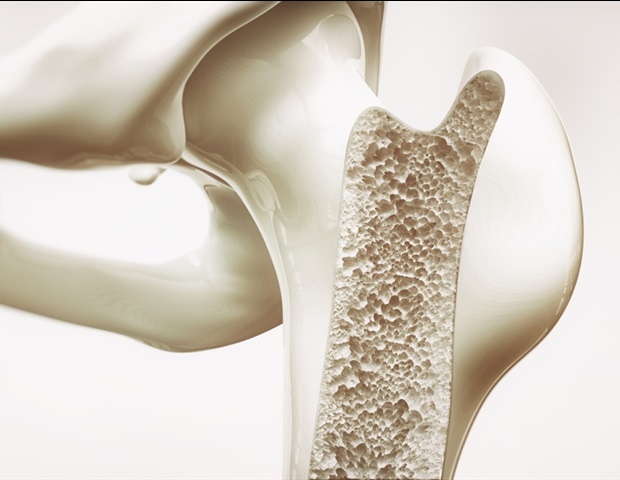
Orthodontic treatment relies on the biological principle that bone tissue is dynamic, constantly remodeling in response to physical stress. When braces or aligners apply mechanical force to teeth, the surrounding alveolar bone undergoes a complex process of resorption and formation. Recent research has shed new light on the specific metabolic pathways that govern this adaptation, revealing how cellular energy production shifts to facilitate the movement of teeth while maintaining structural integrity.
The Role of Metabolic Reprogramming
At the cellular level, the application of orthodontic force acts as a mechanical signal that triggers significant metabolic changes within the periodontal ligament and the surrounding bone. Studies indicate that these mechanical stimuli prompt cells to transition their energy metabolism, moving away from oxidative phosphorylation toward glycolysis. This metabolic shift is essential for providing the rapid energy supply required for the intense cellular activity involved in bone remodeling.
This process is not merely a byproduct of stress but a regulated response that dictates the efficiency of tooth movement. By altering the metabolic profile of the cells, the body creates an environment conducive to the recruitment and activation of osteoclasts—cells responsible for breaking down bone—and osteoblasts, which build new bone tissue. This coupled activity ensures that as the tooth moves into a new position, the bone architecture is simultaneously reinforced to support the change.
Mechanotransduction and Bone Homeostasis
The ability of bone to sense and respond to external pressure is known as mechanotransduction. When mechanical force is applied, specialized cells within the bone matrix detect the physical strain and convert it into biochemical signals. These signals activate specific intracellular pathways that regulate gene expression related to bone turnover.
The balance between bone resorption on the pressure side and bone formation on the tension side is critical for successful orthodontic outcomes. If the metabolic response is insufficient, tooth movement may be delayed or cause damage to the root structure. Conversely, when the metabolic adaptation is optimized, the bone effectively "rebuilds" itself around the new tooth position, preventing instability once the orthodontic appliances are removed.
Clinical Implications for Orthodontic Therapy
Understanding the metabolic underpinnings of bone formation offers potential for improving the speed and safety of orthodontic treatments. By identifying the specific molecular triggers that enhance bone remodeling, clinicians may eventually be able to develop targeted therapies that support the body’s natural adaptation process. This could lead to shorter treatment times and a reduced risk of complications such as root resorption or post-treatment relapse.
Current findings emphasize that orthodontic success is deeply rooted in the biological capacity of the patient's bone to adapt. As research continues to map the intersection of mechanical force and cellular metabolism, the focus remains on how these biological mechanisms can be harnessed to ensure more predictable and efficient clinical results.
