
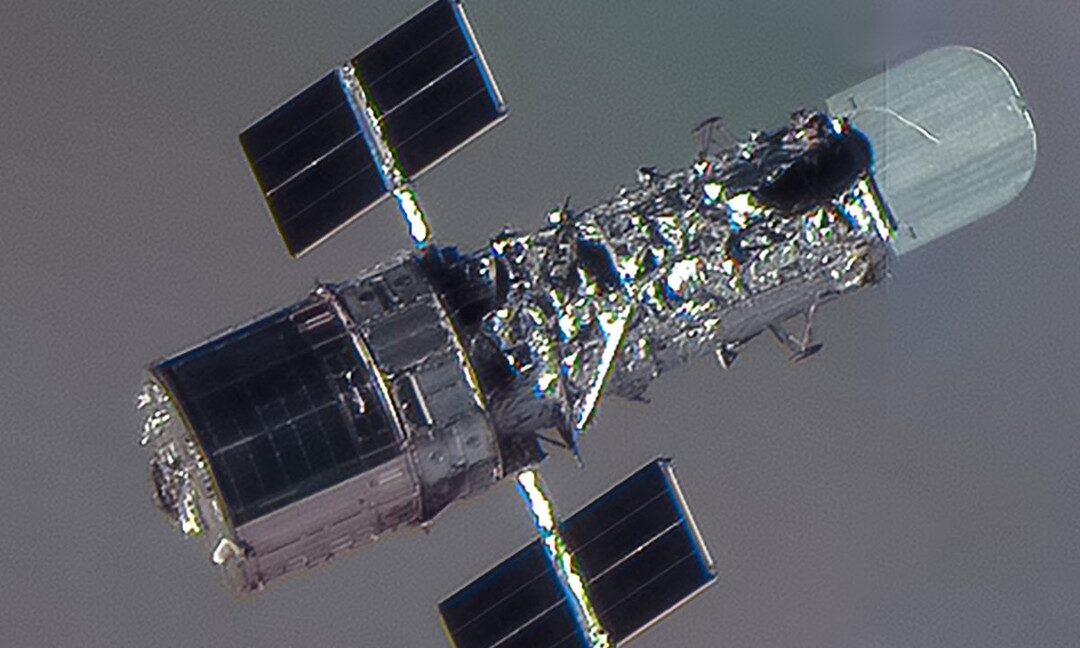
After 36 years of service, the Hubble Space Telescope remains a cornerstone of modern astronomy, recently capturing stunning imagery of the "Cat's Head" nebula alongside the James Webb Space Telescope. However, the aging observatory faces a looming deadline. Without intervention, Hubble’s orbit will continue to decay, leading to an inevitable atmospheric reentry in the early-to-mid-2030s.
NASA is now taking proactive steps to explore potential lifelines for the telescope. By issuing a new Request For Information (RFI), the agency is soliciting proposals from commercial partners to determine if the iconic instrument can be saved, upgraded, or safely decommissioned.
The Challenge of Orbital Decay
Hubble has not received a maintenance visit since the final Space Shuttle servicing mission in 2009. While that mission extended the telescope's capabilities, it did not include a reboost to a higher altitude. With the retirement of the Space Shuttle fleet, NASA lost the primary vehicle used to reach and adjust the telescope's position. As a result, Hubble has been steadily losing altitude, drifting closer to Earth's atmosphere with no current mechanism to stave off its eventual destruction.
Seeking Commercial Solutions
NASA’s latest RFI invites private industry to submit ideas by November 30. The agency is specifically looking for current or near-term capabilities that could address three primary objectives:
- Orbital Reboost: Capturing the telescope and boosting it to an altitude of at least 373 miles (600 km) to extend its operational life.
- Performance Enhancement: Utilizing commercial technology to service or upgrade the telescope’s existing systems.
- Controlled Disposal: Developing a plan to guide Hubble through a safe, controlled reentry into the atmosphere should a rescue mission prove unfeasible.
A Legacy of Discovery
The urgency to preserve Hubble is underscored by its ongoing scientific contributions. Recent collaborative efforts between Hubble and the James Webb Space Telescope have provided researchers with both visible-light and infrared perspectives of the Carina Nebula. These observations of the "Cat's Head" nebula—a region shaped by the intense radiation and stellar winds of massive stars—continue to offer vital data on the complex processes of star formation.
As NASA evaluates the responses from the private sector, the future of the telescope remains uncertain. The agency’s request marks a significant pivot toward commercial space services, aiming to determine if the private sector can provide the technical ingenuity required to keep one of history’s most famous scientific instruments in orbit for years to come.
