
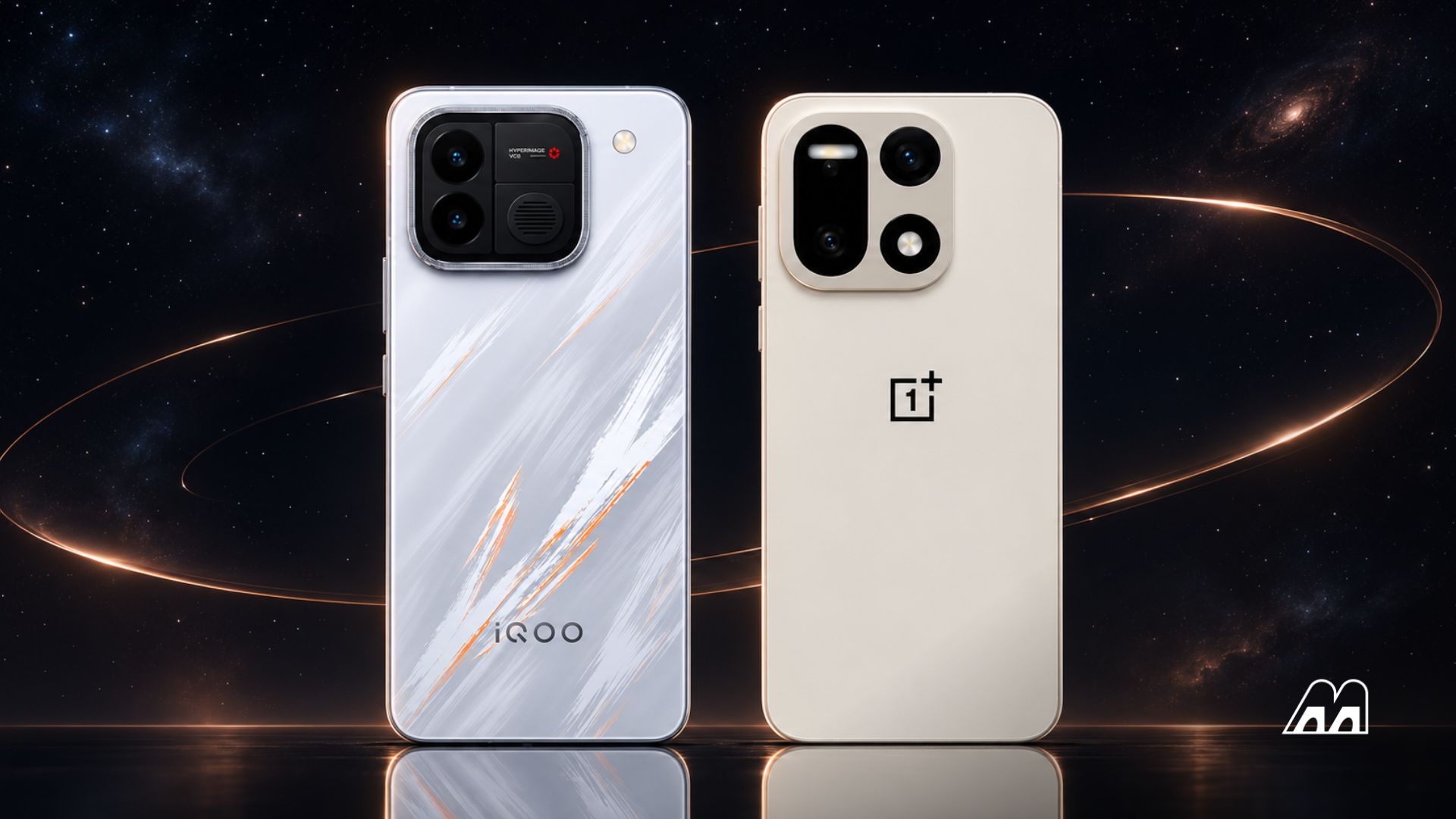
The tech market has reached an unusual turning point where a newly released performance-focused gaming phone commands a higher price tag than last year's premier flagship did on day one. When iQOO launched the Neo 12 in China at CNY 4,399 (approximately $659), it debuted with the exact same Snapdragon 8 Elite Gen 5 processor that powered the OnePlus 15 when it launched a year prior.
This generational cross-over is primarily driven by rising memory and storage component costs across the global semiconductor industry. Because RAM and storage prices have climbed steeply over the last year, new devices are facing inflated retail costs, pitting a year-old flagship directly against a brand-new gaming specialist in the exact same price bracket.
Pricing Shifts: Launch Days Versus Current Costs
At the base tier, the iQOO Neo 12 costs roughly 10% more than the OnePlus 15 did at its initial launch. This price disparity stretches wider as buyers move to higher storage tiers, reflecting how heavily memory shortages impact modern hardware bills. Furthermore, the pricing escalation is evident within iQOO's own lineup, with the Neo 12 costing 63% more than the preceding Neo 11 did at launch.
However, consumers no longer buy the OnePlus 15 at its original launch price. Following widespread price adjustments by OnePlus in China and subsequent retail promotions on platforms like JD.com, the upper tiers of the OnePlus 15 have aligned closely with the Neo 12. Consequently, shoppers are advised to check live retail prices for specific memory configurations before deciding between the two.
Performance, Benchmarks, and Cooling Hardware
Under the hood, both devices utilize the identical 3nm Snapdragon 8 Elite Gen 5 architecture featuring two primary cores clocked at 4.6GHz and six efficiency cores running at 3.62GHz. For everyday multitasking, app loading, and smooth scrolling, the user experience is virtually indistinguishable.
Synthetic benchmarks show slight variations depending on memory configurations:
- AnTuTu Scores: The iQOO Neo 12 benchmarks roughly 5% ahead in overall scores, largely credited to its faster LPDDR5X Ultra RAM.
- Thermal Throttling: While the OnePlus 15 relies on a large vapor chamber and an aerogel layer (its Glacier Cooling System), the iQOO Neo 12 integrates a physical 59-blade spinning fan and three speed modes to actively push heat out of the chassis.
- Gaming Coprocessors: iQOO includes a dedicated Q3 helper chip designed for game upscaling, frame interpolation, and ray tracing in supported titles, an amenity missing on the OnePlus 15.
Display Specifications and Battery Capacities
The iQOO Neo 12 pulls ahead significantly in raw display and endurance metrics. Its 2K display panel packs roughly 31% more pixels than the 1.5K screen on the OnePlus 15, and it reaches a rapid 185Hz refresh rate compared to the 165Hz ceiling on the competitor's device. Additionally, the Neo 12 packs a massive 1,700mAh larger battery capacity.
Conversely, the OnePlus 15 retains key everyday advantages that appeal to mainstream buyers:
- Camera Versatility: Features a dedicated 3.5x optical zoom lens.
- Charging Convenience: Supports wireless charging capabilities.
- Global Availability: Offers official local sales channels and warranty support outside of China.
Choosing Between the Two Devices
Ultimately, the choice depends heavily on individual use cases and regional availability. The iQOO Neo 12 stands out as the superior gaming phone, offering a sharper display, active cooling, and extended battery life for heavy users who can purchase it locally in China. Meanwhile, the OnePlus 15 remains the more complete everyday smartphone for users who prioritize mobile photography, wireless charging, or localized software support and warranties outside mainland China.
