
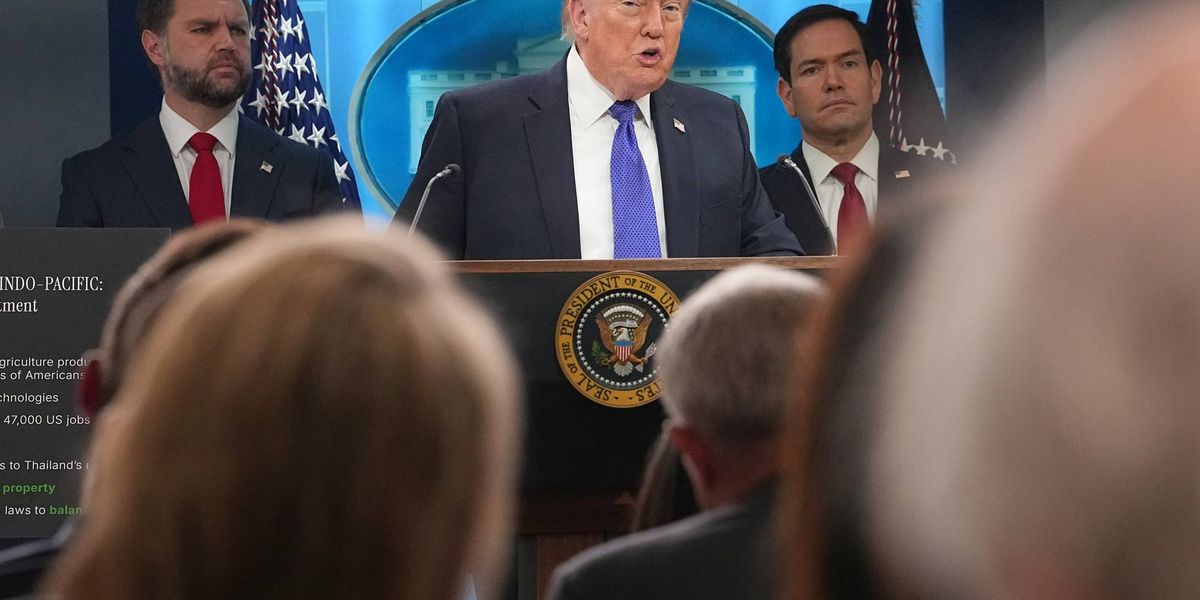
President Donald Trump has announced intentions to impose significant financial penalties on American technology firms that choose to construct artificial intelligence data centers outside of the United States. The proposal, which aims to keep critical infrastructure within domestic borders, marks a continuation of the administration's focus on leveraging the rapid expansion of AI technology to benefit local economies.
While the president signaled a clear shift in policy direction, he noted that the specifics of the plan remain in development. During his remarks, he acknowledged that he had not yet formally briefed his own administration officials on the mechanics of the proposed tax, leaving the exact implementation strategy and timeline currently undefined.
Encouraging Local Economic Leverage
Beyond the threat of international taxation, the president is actively encouraging local communities to view the arrival of data centers as a strategic economic opportunity. He urged citizens to be receptive to the construction of these facilities, suggesting that local leaders and residents should negotiate directly with tech companies to secure tangible benefits.
The president’s stance emphasizes a transactional approach to infrastructure development, advising communities to:
- Engage developers to extract concessions that benefit the local area.
- Prioritize the economic influx associated with data center projects.
- Avoid blocking construction efforts, even while seeking to maximize the financial return for the community.
Strategic Implications for the Tech Sector
The push to localize data center infrastructure comes as the demand for AI computing power continues to surge globally. By threatening a "tremendous tax" on offshore development, the administration is attempting to force a realignment of corporate expansion strategies. This approach mirrors previous rhetoric used by the president leading up to the midterm elections, where he consistently framed the presence of large-scale tech infrastructure as a bargaining chip for local prosperity.
As the administration moves forward, the tech industry faces the prospect of increased regulatory and financial pressure regarding where they choose to house their hardware. For now, the policy remains a stated objective, with stakeholders awaiting further details on how such a tax would be structured and enforced against globalized tech operations.
