
Researchers have developed a novel design to significantly extend the lifespan of iridium catalysts used in proton exchange membrane (PEM) water electrolysis, a key technology for producing green hydrogen without carbon dioxide emissions.
Water electrolysis uses electricity to split water into hydrogen and oxygen. While PEM electrolysis flexibly pairs with renewable energy sources like wind and solar power, it relies heavily on expensive, rare iridium-based catalysts that degrade and lose effectiveness over time.
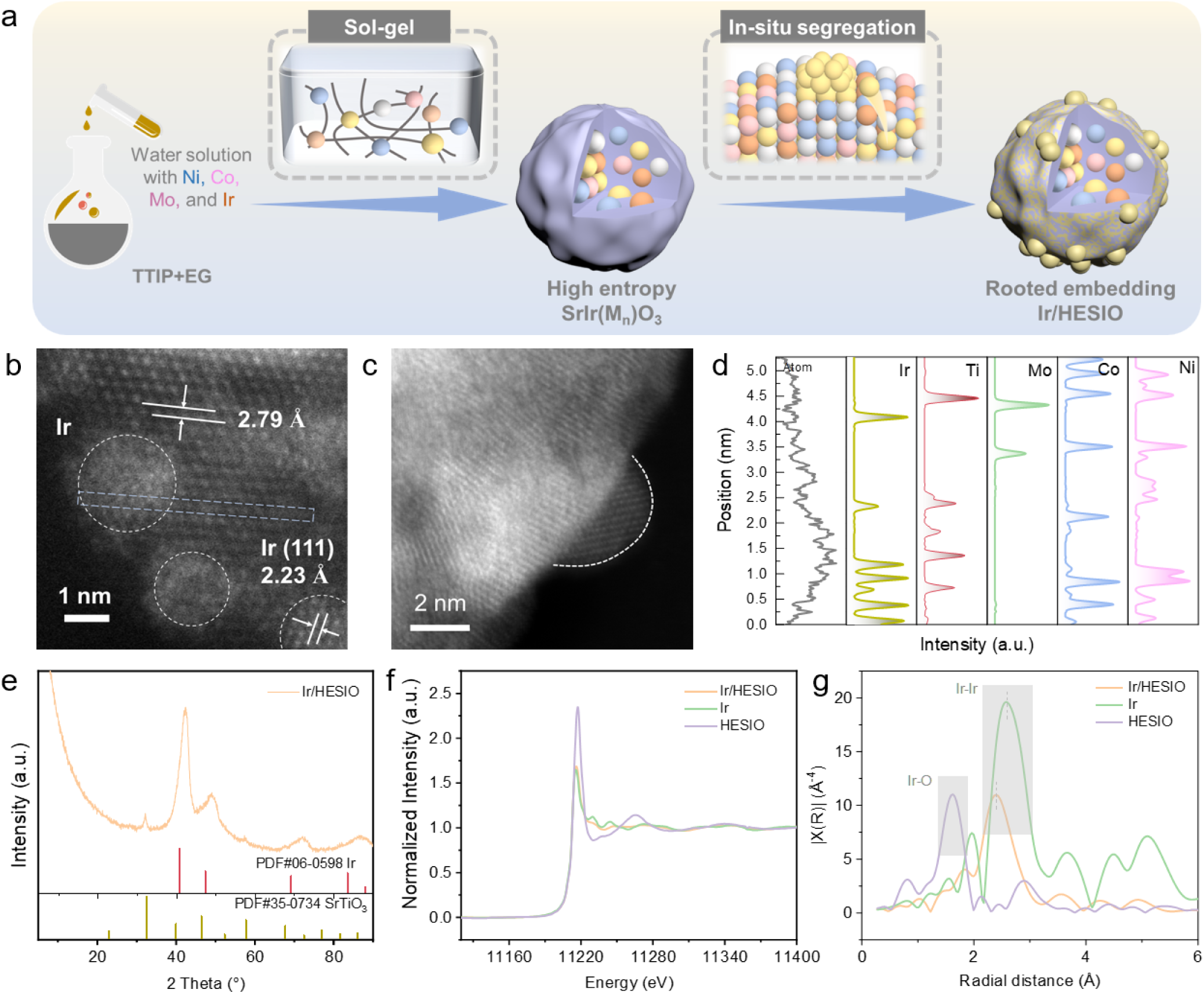
To combat this degradation, a research team featuring Tohoku University Distinguished Professor Hao Li embedded iridium nanoparticles within a high-entropy perovskite structure. Using a specialized heating process called exsolution, the iridium particles emerge from within the material itself rather than sitting on a supporting surface. This firmly anchors the particles to prevent clumping while a regulated electronic environment protects the metal from instability.
In laboratory testing, a PEM water electrolyzer utilizing the new catalyst ran for more than 3,800 hours with minimal performance loss, and operated for over 3,200 hours under more demanding conditions. Furthermore, while conventional iridium catalysts showed degradation within 300 hours, the newly designed catalyst remained stable for over 650 hours, pointing toward more reliable and affordable green hydrogen production systems.
