
New Study Challenges Century-Old Theory That Comets Delivered Life's Ingredients to Earth
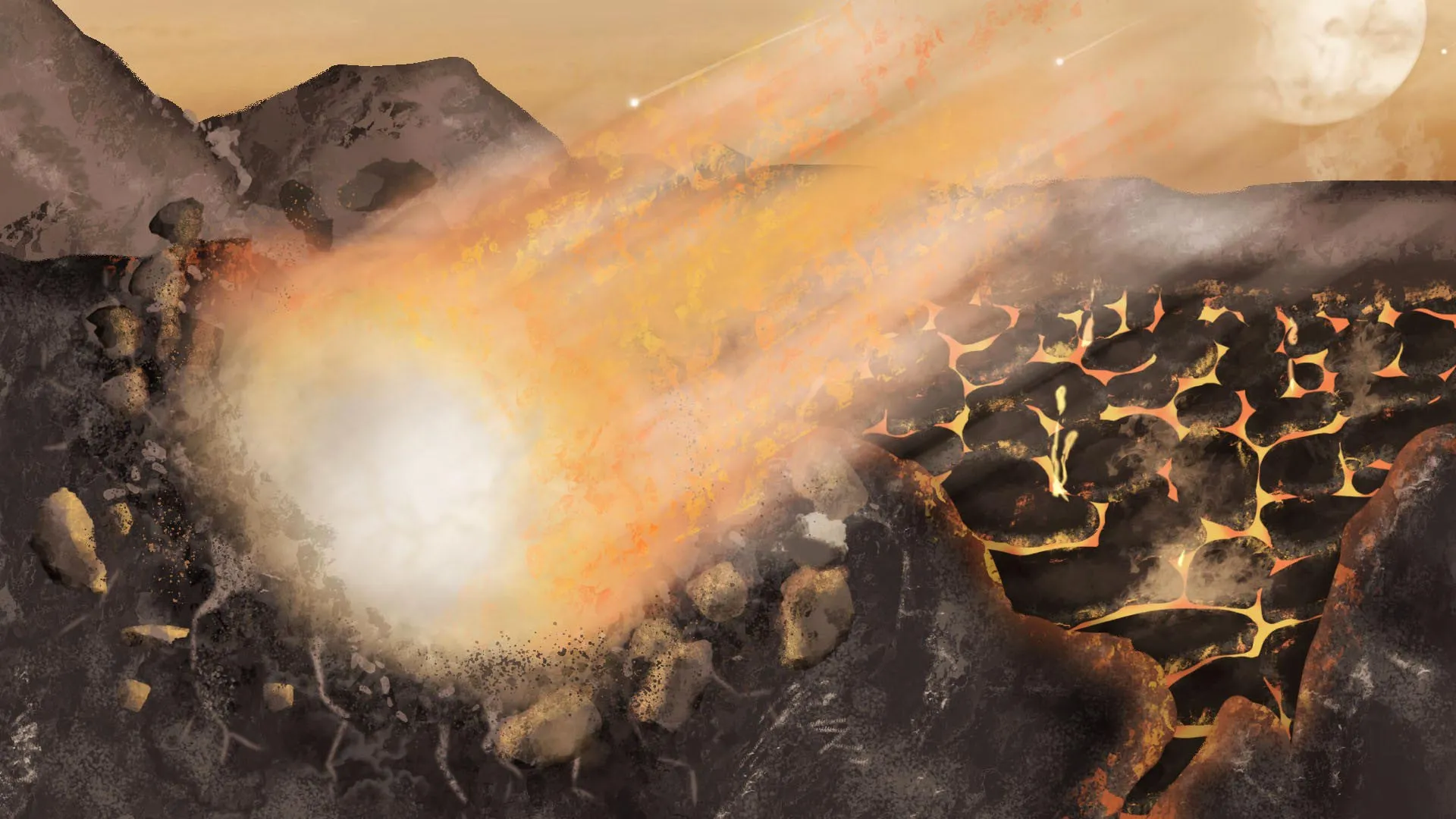
For nearly a century, scientists have explored the hypothesis that comets seeded early Earth with essential organic molecules—such as carbon and nitrogen-bearing compounds—helping to spark the origins of life. However, a new study led by researchers at the University of Cambridge challenges this long-standing theory, suggesting that comets were far more likely to destroy their chemical cargo upon impact than deliver it intact.
Published in Scientific Reports and led by Dr. Richard Anslow from Cambridge's Institute of Astronomy, the research utilized advanced computer simulations to model comet impacts, atmospheric interactions, and early Solar System dynamics. The findings revealed that comets typically approach Earth at speeds and angles that make it exceptionally difficult for delicate prebiotic molecules—like hydrogen cyanide—to survive the violent arrival.
Even in rare instances where these compounds managed to survive an impact, the simulations showed that depositing sufficient concentrations in a single location for meaningful chemical reactions would have been highly improbable. Furthermore, the rapid decline of comet impacts over Earth's first 500 million years, combined with the quick dispersal of deposited chemicals, leaves little viability for the cometary delivery theory.
Interestingly, the simulations indicated that Mars may have offered slightly more favorable conditions for receiving cometary molecules due to its smaller size and thinner atmosphere. Nevertheless, researchers emphasize that successful organic delivery remains unlikely on Mars as well, suggesting that life's building blocks may have originated through alternative pathways, such as terrestrial chemical processes or asteroid impacts.
