
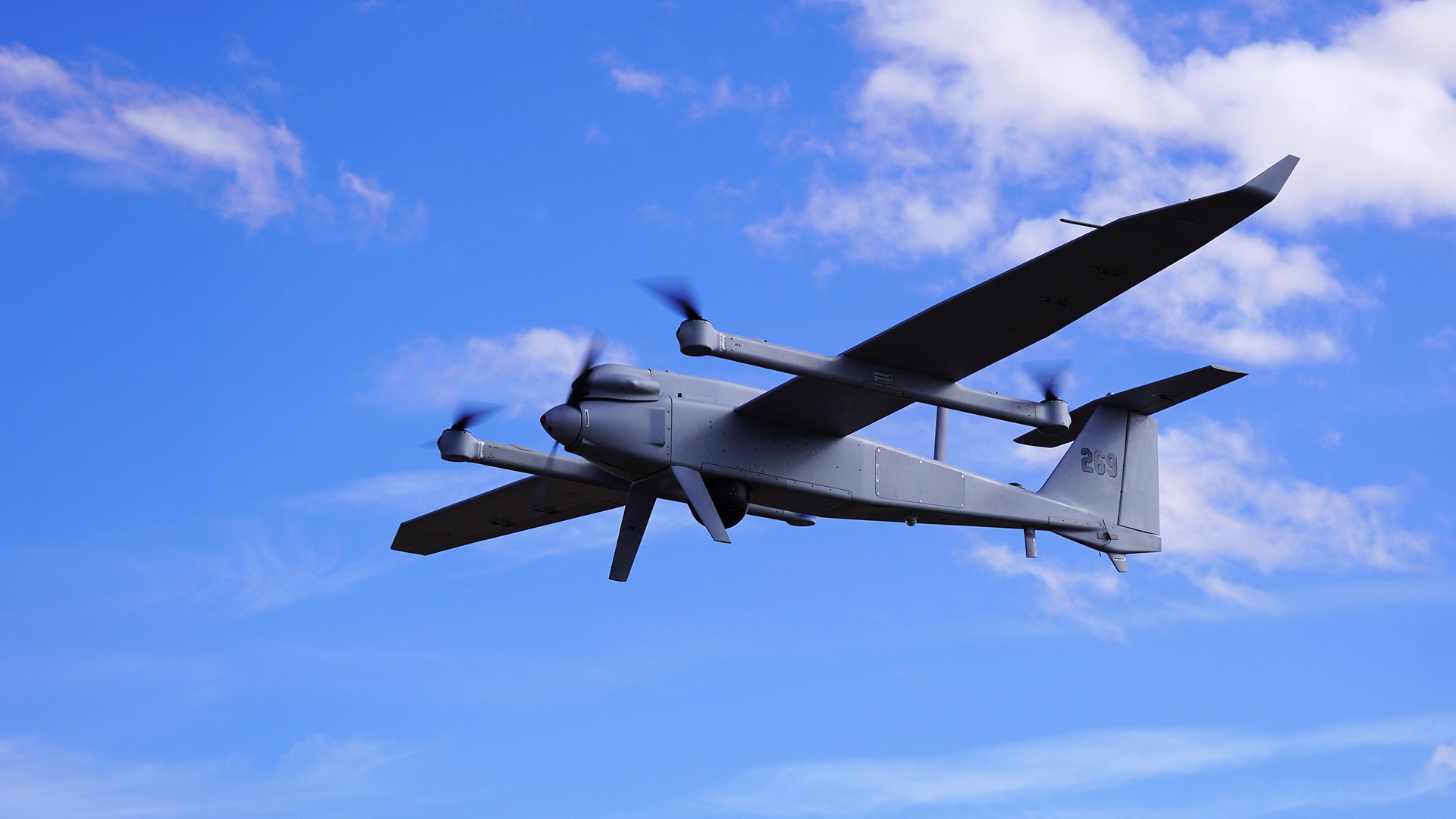
As Australia prepares for the complexities of "archipelagic warfare" across the Indo-Pacific, defense industry experts are calling for a shift in how the nation defines sovereign capability. Rather than focusing solely on where equipment is manufactured, the focus is moving toward "operational sovereignty"—the ability to control the acquisition, integration, and sustainment of technology at the speed of mission requirements.
Beyond Domestic Manufacturing
Sean Colvin, Director of Business Development for Asia Pacific at AeroVironment (AV), argues that true sovereignty is not defined by the origin of a platform, but by the ability to adapt and maintain it under pressure. Speaking following the LAND FORCES 2026 event in Perth, Colvin noted that insisting on domestic production for every component can lead to slower fielding times and limited access to global innovation.
Instead, the industry is advocating for a model of "recombination." By integrating Australian-developed technology—such as the ARKEUS hyperspectral sensing payload—onto proven allied platforms like the AV JUMP 20, the Australian Defence Force can achieve greater capability without the constraints of building every system from scratch.
Strategic Partnerships and Speed
The push for operational sovereignty emphasizes the need for responsive acquisition pathways. Colvin highlighted that the ability to pursue Direct Commercial Sales (DCS) for systems like one-way attack drones allows Australia to bypass traditional bottlenecks, ensuring that technology reaches the warfighter faster.
Ultimately, the goal is to leverage alliances, such as AUKUS, to create a more fluid exchange of technology. By prioritizing modularity and rapid integration, Australia can maintain a competitive edge in the Indo-Pacific, ensuring that its forces remain agile enough to respond to evolving threats without the logistical burden of total self-sufficiency.