
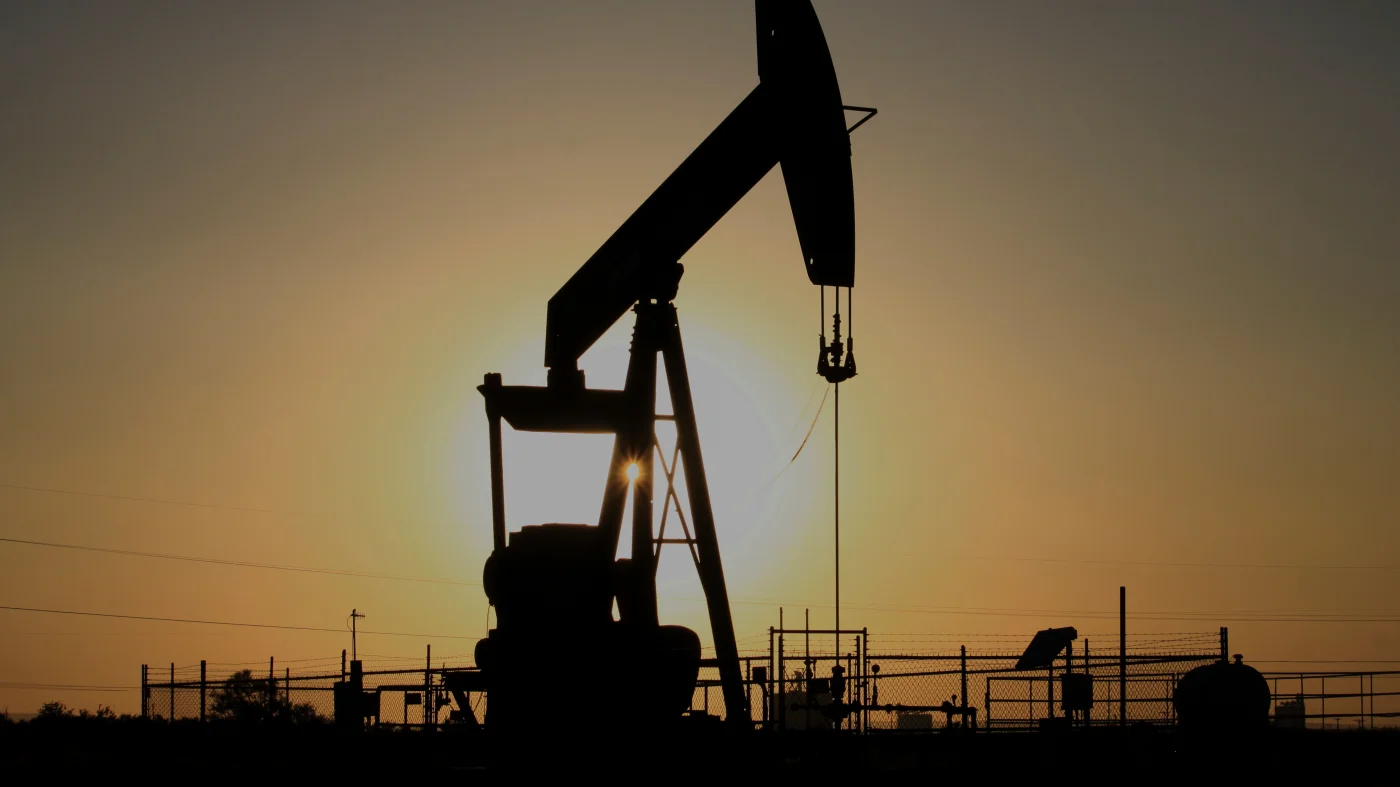
Major oil companies reported a massive surge in quarterly earnings this week, collectively pulling in over $36 billion. ExxonMobil led the group with $15.4 billion in earnings—more than double its performance from the same period last year—while Shell reported $10.8 billion and Chevron saw a 180% increase to $9.9 billion.
Geopolitical Drivers and Market Impact
The windfall is largely attributed to the ongoing war in Iran, which has disrupted global oil supplies and pushed Brent crude prices to approximately $113 a barrel, up from $70 before the conflict. With global refining capacity also strained by strikes on Russian infrastructure, the resulting supply shock has kept prices elevated despite steady consumer demand for gasoline, diesel, and heating oil.
Industry experts note that oil companies with production assets in the U.S., Latin America, and Europe are benefiting from the scarcity of Middle Eastern oil. However, rather than reinvesting these profits into new drilling projects, many firms are prioritizing shareholder returns through record dividends and stock buybacks. Executives describe a "wait-and-see" approach, citing the unpredictable nature of the current geopolitical climate.
Political and Economic Tensions
The high cost of energy has sparked renewed calls from Congressional Democrats for a "windfall tax" on oil companies, arguing that these profits stem from global crises rather than corporate innovation. Economists suggest such taxes could help bridge the gap between corporate gains and the financial burden placed on consumers, who are currently paying roughly $1.20 more per gallon of gasoline than they were a year ago.
Oil executives have previously pushed back against such proposals, labeling them misguided policies that penalize success in a volatile market. Meanwhile, the Trump administration has attempted to lower fuel costs by loosening regulations on specific diesel types and easing sanctions on Russian oil, though analysts remain skeptical that these measures will significantly impact prices for the average driver in the near term.
