
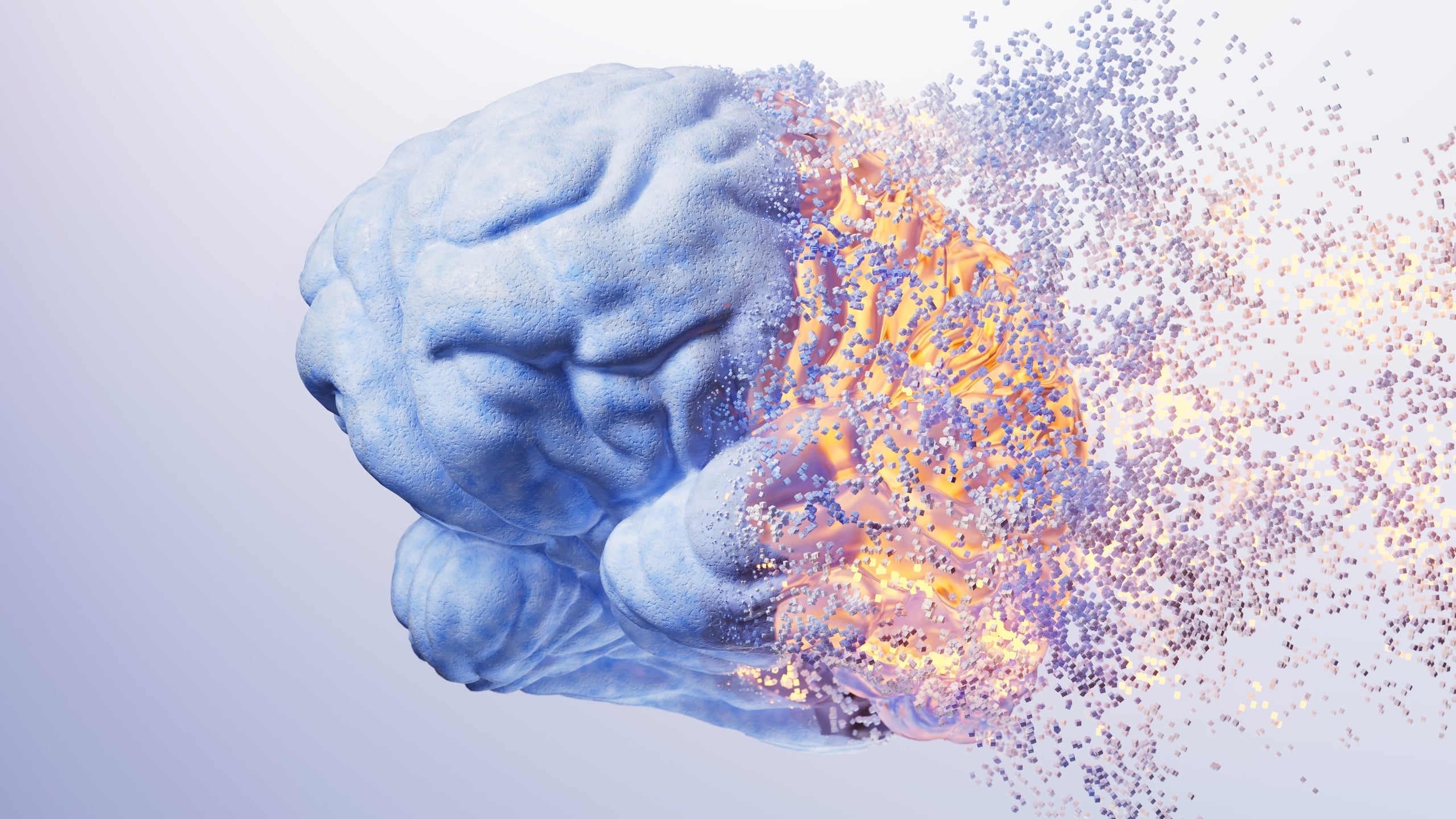
Scientists in Germany have successfully transformed old human blood cells directly into young brain stem cells that remarkably grew biologically younger as they aged, according to research published in the journal Aging Cell.
Led by researchers at the University Hospital of Bonn and the University of Bonn, the study bypassed the traditional method of reverting cells into embryonic blank slates. Instead, the team used a direct conversion technique to transform red blood cell precursors—known as erythroid progenitor cells (EPCs)—into induced neural stem cells (iNSCs).
The researchers utilized donor cells from 15 individuals ranging in age from newborns to 101 years old. Using a viral delivery method to introduce two specific transcription factors, the team prompted the cells to switch identities. Tracking the cells via DNA methylation measures and RNA sequencing, the researchers observed that the cells adopted neural-like protein expression by the 12th day.
Over the subsequent 50 to 100 days, the converted cells continuously de-aged, resetting the majority of their epigenetic age-related traits by around 50 days. In effect, some converted cells became decades younger over this timeframe, ultimately dropping to about 5 percent of the donor's chronological age.
Further analysis confirmed that the cells functioned like young cells, exhibiting reduced DNA damage, improved mitochondrial health, and better recycling abilities. While the study authors noted limitations such as potential mathematical modeling biases and the lack of naturally aged neural stem cells for comparison, the findings offer a promising experimental model for investigating cellular rejuvenation and future therapeutic applications in neurodegeneration.