
In the United States, the umbrella term "South Asian" has historically been closely linked to Indian Americans working in business and technology sectors, often reflecting high median household incomes and considerable political influence. However, observers note this narrow framing has frequently overshadowed the diverse realities of broader South Asian communities, which include Pakistani, Bangladeshi, Sri Lankan, and Nepalese Americans.
Discussions surrounding political representation and demographic influence have evolved alongside recent electoral shifts and shifting public discourses. While prominent Indian Americans attained high-profile roles in corporate leadership and political spheres, communities have simultaneously navigated changing political landscapes, varying immigration pressures, and localized organizing efforts across major American urban centers.
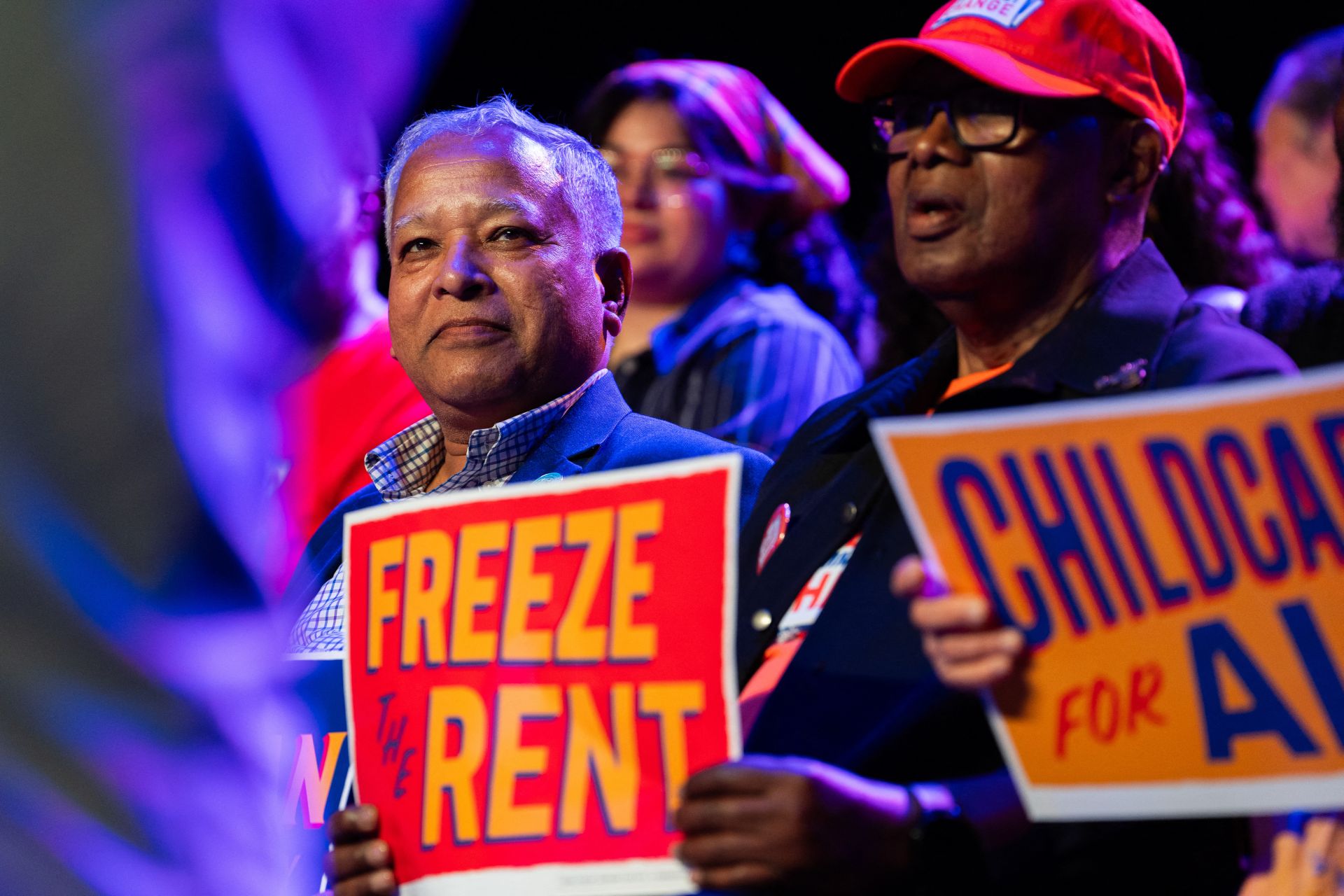
Grassroots and working-class advocacy groups continue to highlight the diverse socioeconomic experiences within the wider diaspora, moving beyond traditional monolithic narratives. As political alliances adapt to new leadership configurations at local and federal levels, the collective impact of South Asian voters and leaders remains an influential force in contemporary American politics.
