
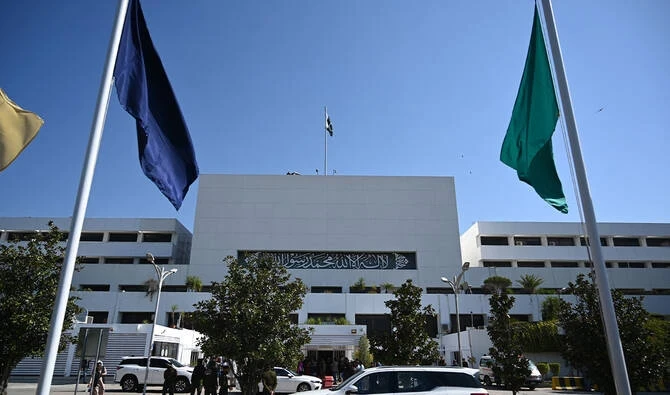
ISLAMABAD — A Pakistani senate panel leader on Monday accused revenue officials of aiding businesses suspected of exploiting tax concessions in former tribal regions, during a parliamentary review into an estimated $1.4 billion tax evasion scheme.
Senate Sub-Committee Reviews $1.4 Billion Investigation
Senator Saifullah Abro, chairman of a sub-committee under the Senate Standing Committee on Interior, alleged that officers from the Federal Board of Revenue (FBR) worked alongside companies misusing tax exemptions. The parliamentary panel met to examine a Federal Investigation Agency (FIA) inquiry into financial irregularities totaling roughly $4 billion across the former Federally Administered Tribal Areas (FATA) and Provincially Administered Tribal Areas (PATA).
Federal authorities previously granted tax concessions to industrial units in these underdeveloped regions, which merged with Khyber Pakhtunkhwa province in 2018. Investigators suspect that businesses imported tax-free raw materials into the zones before illegally diverting finished goods to other domestic markets to undercut competitors.
During the session, Inland Revenue Chief Commissioner Muhammad Taqi Qureshi declined to provide tax exemption records to the Senate panel, citing confidentiality regulations and past media leaks. Tax officials at the hearing denied any collusion between the FBR and beneficiary firms.
FIA Deputy Director Muhammad Afzal Khan Niazi told the panel that 512 companies linked to the exemptions had received notices. He added that 174 beneficiary firms had filed 35 writ petitions in the Peshawar High Court to halt the probe. Senator Abro instructed the FIA to inspect the implicated factories, verify production capacities against imported raw materials, and trace common individuals connected to businesses across sectors including steel, edible oil, food, tea, and textiles.
The high court hearing is scheduled for November 12. The investigation coincides with broader economic pressures on Pakistan to broaden its tax base, curb exemptions, and satisfy revenue targets linked to a $7 billion International Monetary Fund loan program.
