
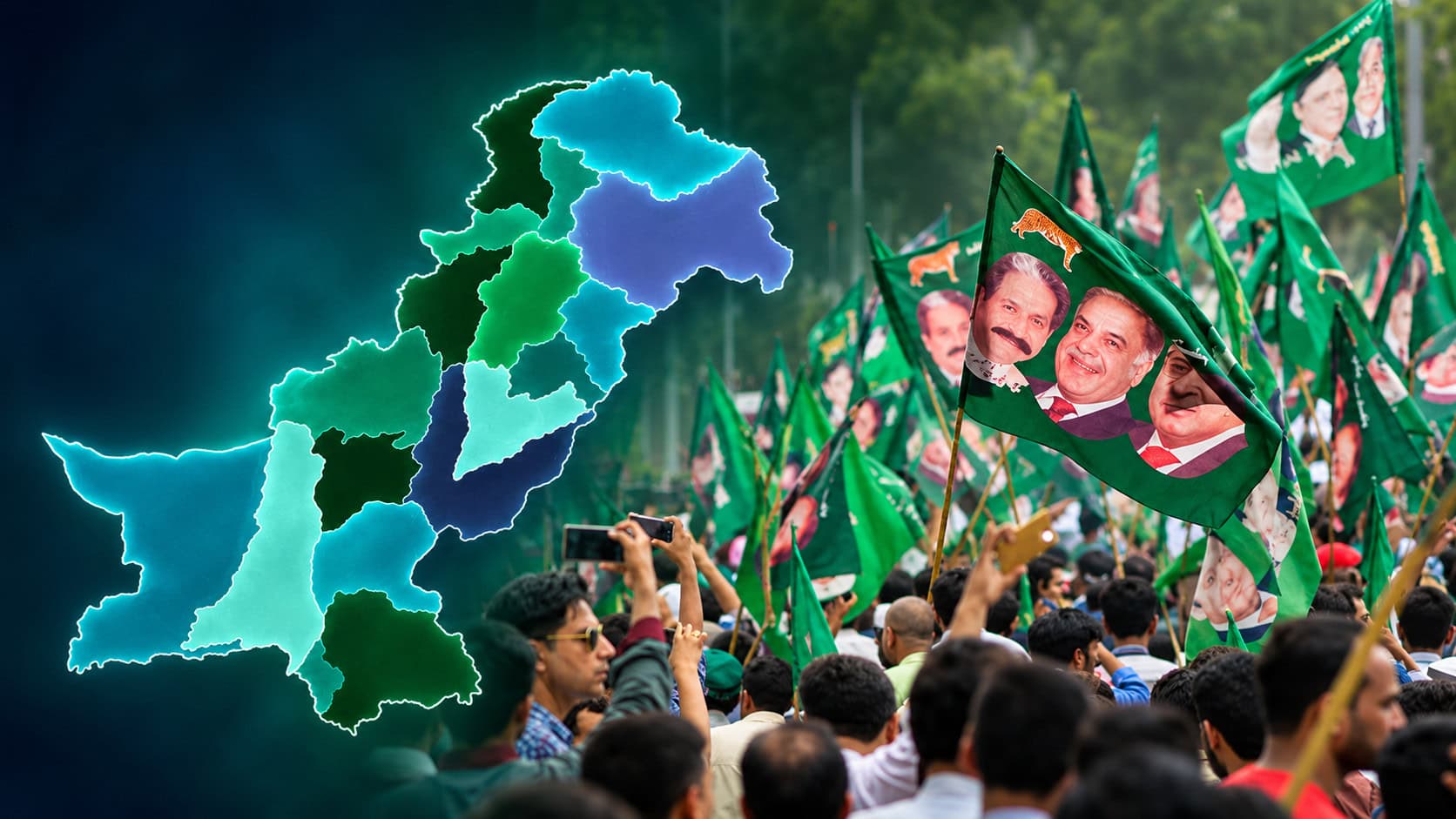
LAHORE — The Pakistan Muslim League-Nawaz (PML-N) has reportedly agreed in principle to support the creation of new provinces within Punjab, on the condition that the administrative reorganisation takes effect following the general elections scheduled for 2029.
According to claims made by senior journalist and TV host Sohail Warraich in a recent column, the ruling party is prepared to back the necessary legislative steps despite its initial reservations. Warraich reported that a proposal to divide Punjab into four distinct administrative units has gained traction within influential circles, though final decisions regarding the exact number and geographic boundaries of the new provinces have not yet been settled.
The columnist stated that while Pakistan Peoples Party (PPP) Chairman Bilawal Bhutto-Zardari previously asserted that discussions on the matter had reached a "full stop," the restructuring proposal remains under active consideration. The reporting suggests that formal legislation could potentially be introduced before March 2027, with implementation deferred past the 2029 polls to accommodate PML-N conditions. This timeline is reportedly tied to allowing Punjab Chief Minister Maryam Nawaz sufficient time to consolidate political support through regional development projects prior to any division.
Meanwhile, the broader political landscape reveals varied stances among other major parties. The PPP reportedly harbours no objections to establishing new provinces inside Punjab, while maintaining staunch opposition to any division of Sindh. The Pakistan Tehreek-e-Insaf (PTI) generally supports the formation of new provinces, though uncertainty remains over whether its parliamentary leaders would endorse legislation advanced by the current political administration. Conversely, Jamiat Ulema-e-Islam-Fazl (JUI-F) leader Maulana Fazlur Rehman has expressed reservations regarding the timing of the initiative rather than rejecting the concept outright.
As discussions continue, neither official government confirmations nor finalized administrative boundaries have been formally released.
