
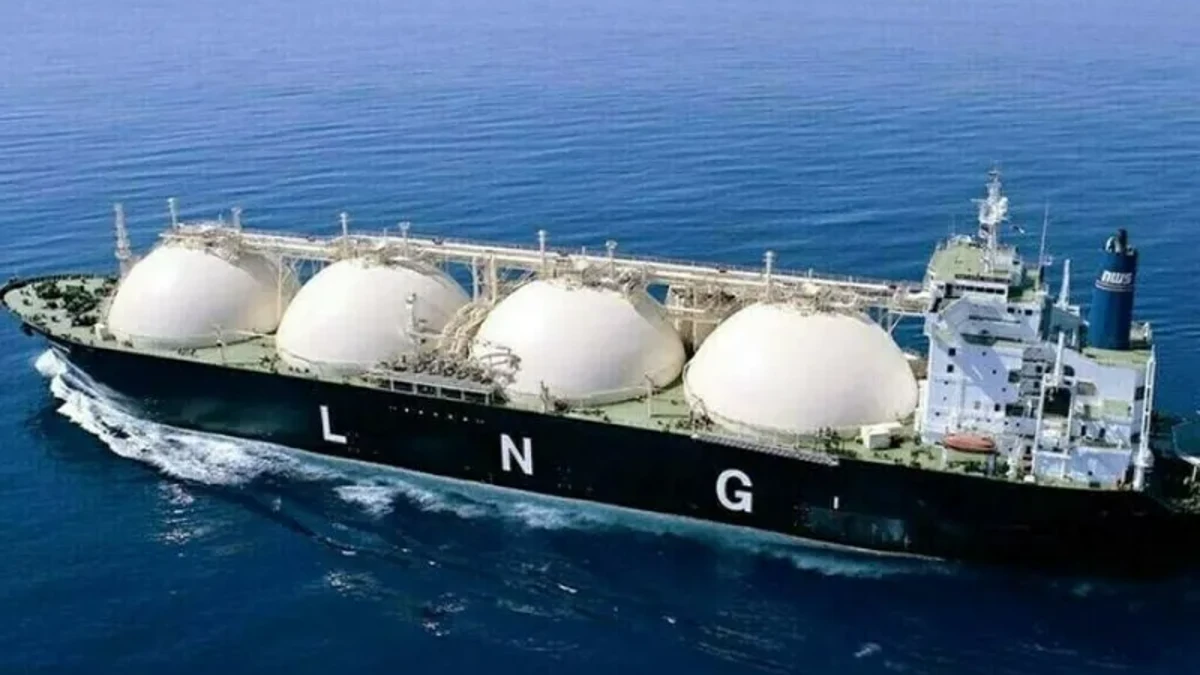
A private U.S. consortium backed by the Trump administration is seeking to invest up to $4.4 billion in an integrated liquefied natural gas (LNG) project in Pakistan. The initiative aims to handle imports, storage, re-gasification, transmission, and sales to large consumers on a merchant basis, filling a critical gap as Pakistan currently lacks domestic LNG storage facilities.
The consortium behind the venture includes Global Vision Energy Partners, Khanjee Holdings, and Luxembourg-based financial conglomerate General Mediterranean Holding, alongside strategic international co-investors. The proposal follows the withdrawal of an earlier frontrunner, Energas, which backed away from a similar project due to policy and fiscal challenges.
Project Phasing and Structure
Sponsors plan to execute the development in two distinct phases:
- Phase I ($1.7 billion): Construction of an LNG terminal and storage facility at Port Qasim featuring four tanks, providing an estimated annual throughput of 35 billion cubic feet.
- Phase II (Bringing total cost to $4.4 billion): Construction of a 1,100-kilometer, upcountry gas pipeline with a daily capacity of approximately 1.2 billion cubic feet.
The venture has secured site consent from the Port Qasim Authority and filed an application with the Oil and Gas Regulatory Authority (Ogra) for a provisional license. Furthermore, the project has received approval for consideration under the U.S. Trade and Development Agency's project preparation program and may leverage partial financing from the U.S. Development Finance Corporation and export credit guarantees from the U.S. Export-Import Bank.
Structured with a 70:30 debt-to-equity ratio, the ownership breakdown assigns 26% to Global Vision Energy Partners, 24% to General Mediterranean Holding, and 20% each to Khanjee Holdings and strategic co-investors. Local investors are being engaged for up to a 10% equity stake in the first phase.
