
CANBERRA, AUSTRALIA — Recent health research published by News-Medical explores how the traditional diet and harsh environment of Yakutia have shaped human metabolic adaptation in the Arctic.
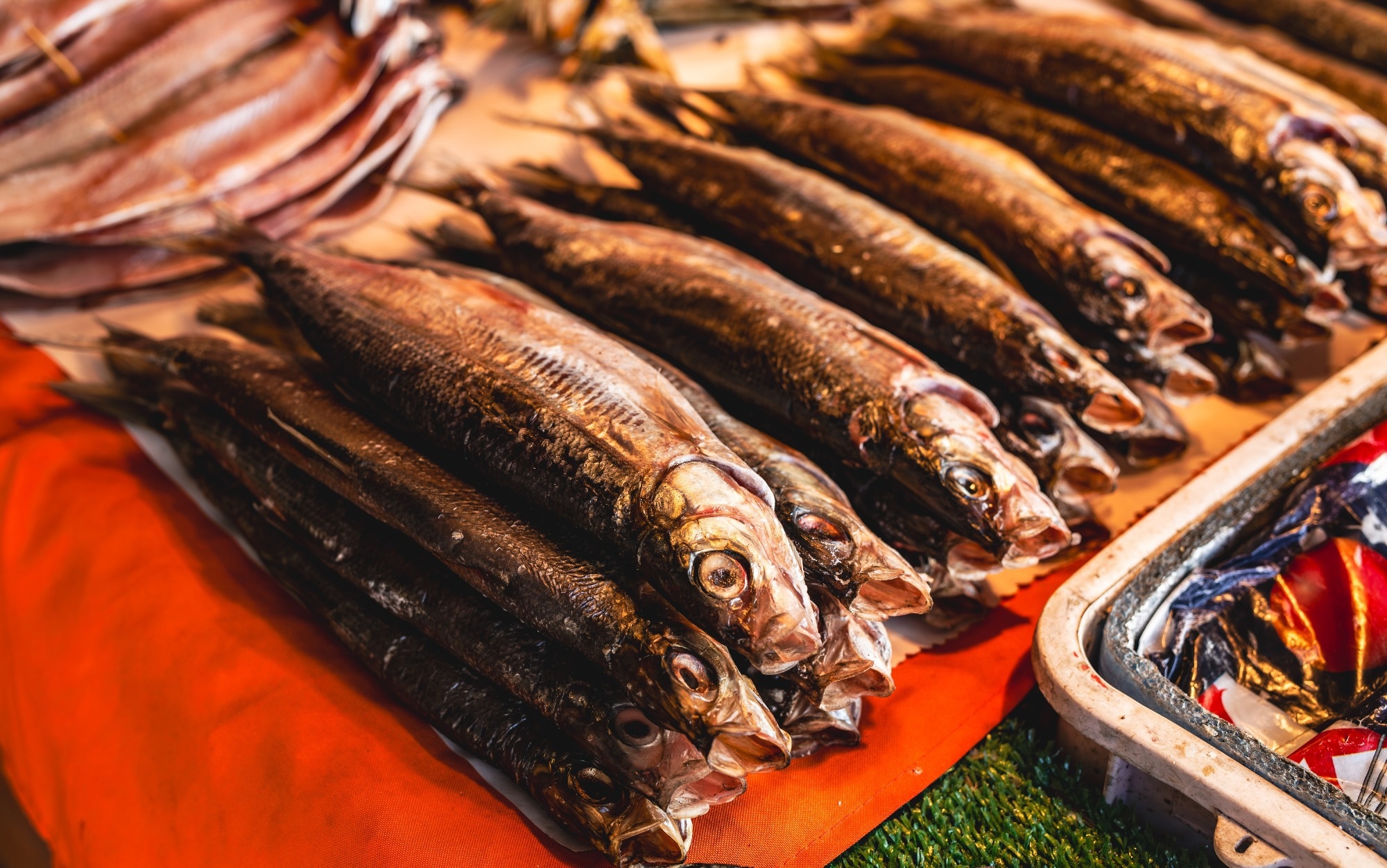
For generations, the indigenous diet of the Yakutia region in northeastern Siberia developed around locally sourced meat, fish, and dairy products. Living in extreme cold conditions required unique physiological responses, and researchers are examining how this traditional eating pattern interacts with cold exposure and genetic variations.
Metabolic Adaptations and Genetic Factors
Scientific interest has focused on physiological components such as brown adipose tissue, specific genetic variants like PNPLA3, and inflammatory profiles. These factors offer clues into how Arctic populations historically maintained metabolic health and survived freezing temperatures.
However, researchers note that while these physiological traits are present, the exact degree to which the traditional Yakut diet directly contributes to specific long-term metabolic adaptations remains uncertain. Studies continue to evaluate the complex relationship between extreme environments, genetics, and nutrition.
