
Benchmarking Modern Architectures
The research evaluated various deep learning models using the German Traffic Sign Recognition Benchmark (GTSRB) dataset. The study followed three distinct research pathways to determine the most effective frameworks for real-time road safety:
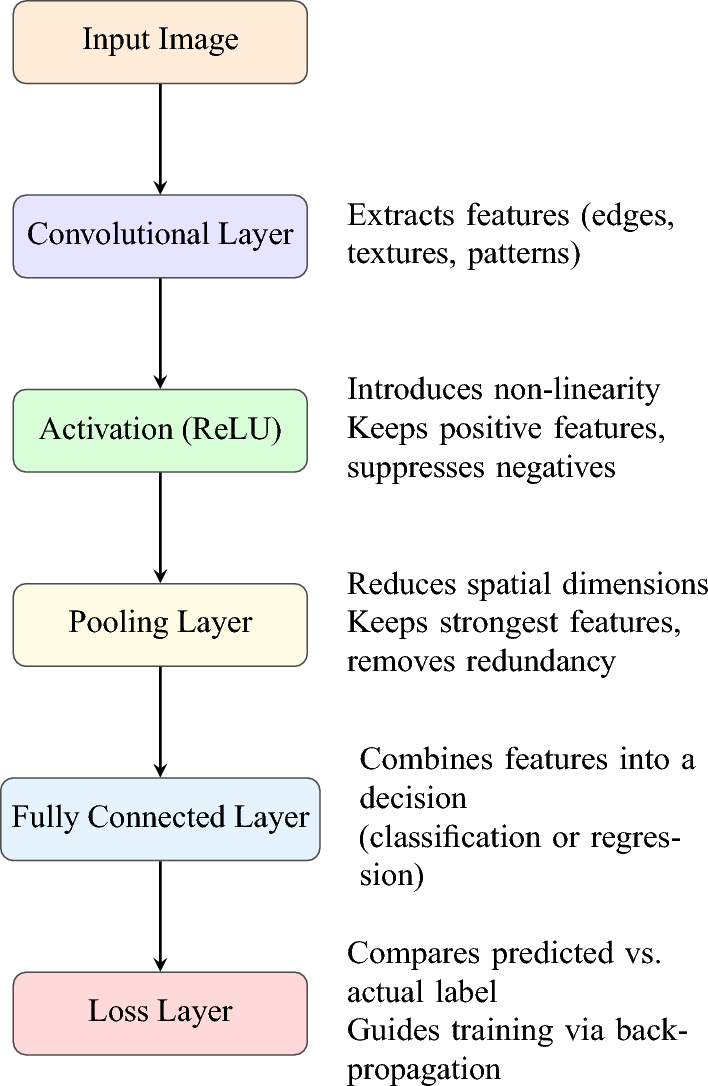
- CNN Reproductions: Researchers successfully reproduced existing Custom CNN and VGG16 architectures, with the Custom CNN achieving a 97.82% validation accuracy, surpassing previous baseline reports.
- Detection-Based Frameworks: Testing of new architectures revealed that YOLOv11 achieved a 97% test mAP50, demonstrating strong potential for real-time spatial localization in vehicles.
- Transformer Models: The study introduced ViT-B/16 and DeiT-Tiny models. Notably, the DeiT-Tiny model emerged as a highly efficient solution, delivering superior performance metrics while being 15 times smaller than its counterparts.
The findings suggest that while traditional CNNs remain effective, transformer-based and detection-based models offer distinct advantages in parameter efficiency and real-time processing. These advancements provide a roadmap for developing more reliable ADAS, ultimately contributing to the global effort to reduce traffic-related fatalities through improved environmental perception.
