
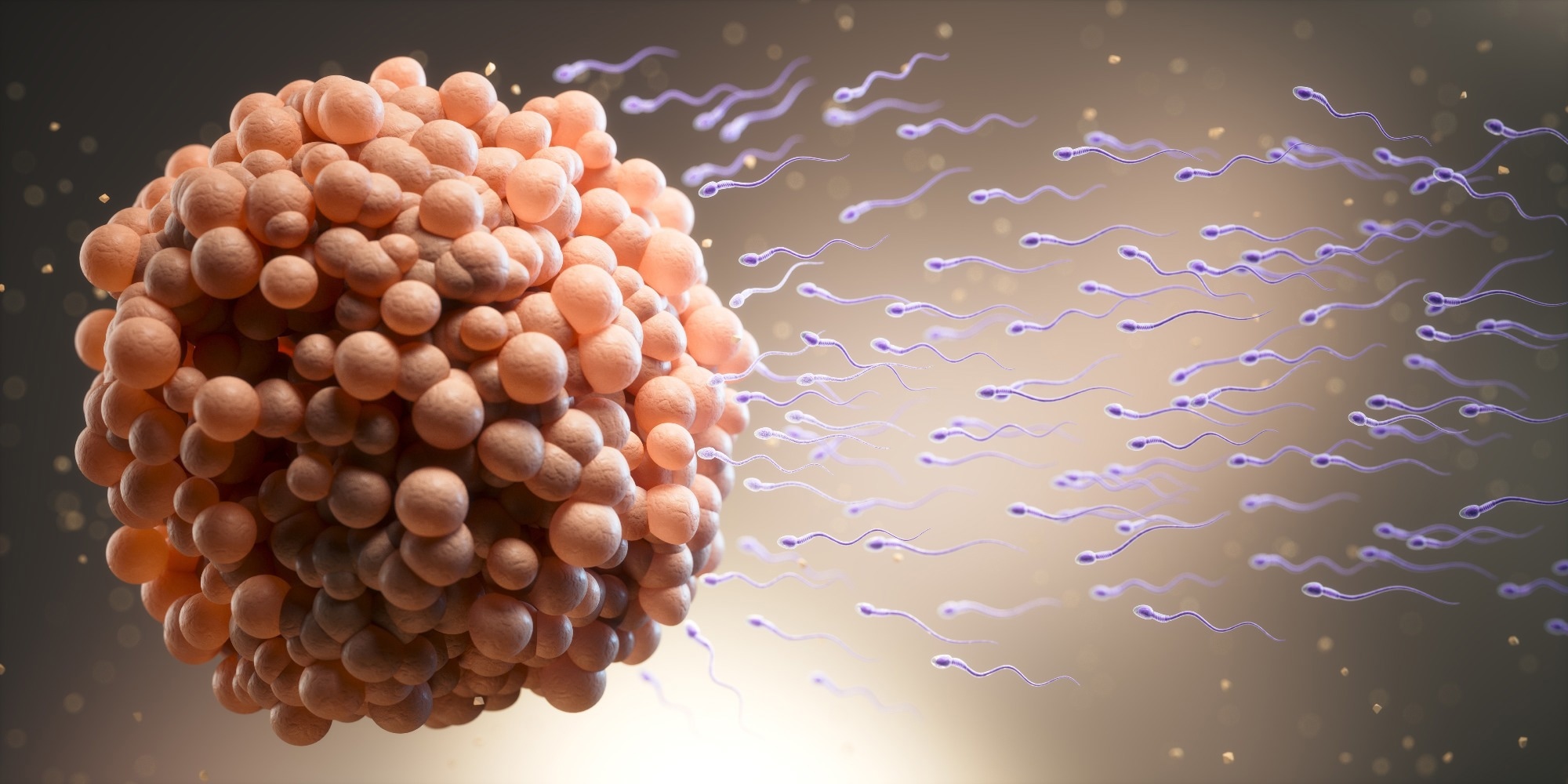
Researchers investigating reproductive biology have uncovered a novel mechanism by which mammalian sperm transport genetic material into eggs. The study reveals that amyloid fibers, long associated with pathological conditions like neurodegenerative diseases, play a functional role in human seminal fluid by assisting sperm in delivering RNA to developing embryos.
By employing both human biological samples and mouse model experiments, the scientific team demonstrated that these structural fibrils can significantly enhance the delivery of functional RNA molecules during fertilization.
Identifying Fibrils in Seminal Fluid
The research began with the identification of RNA-associated amyloid fibrils naturally present within human seminal fluid. While amyloid fibers are frequently studied for their harmful roles in protein-misfolding diseases such as Alzheimer's and Parkinson's, this discovery highlights a beneficial, non-pathological function in biological reproduction.
To test how these structures interact with reproductive cells, the investigators utilized synthetic prostatic acid phosphatase (PAP) fibrils in laboratory experiments. They observed that these artificial fibrils successfully bound to and entered mammalian sperm cells without damaging them.
Enhancing RNA Delivery in Mouse Embryos
To determine the functional impact of the fibrils, the researchers conducted in vitro fertilization (IVF) experiments using mice. The findings highlighted a dramatic increase in successful RNA transfer:
- Synthetic PAP fibrils were introduced to sperm carrying specific reporter RNA.
- During IVF procedures, the fibril-coated sperm successfully delivered the RNA payload into the resulting mouse embryos.
- Embryos generated with fibril-exposed sperm exhibited a detected reporter-protein signal that was at least tenfold higher than embryos produced without fibril exposure.
Broader Implications for Reproductive Biology
This study bridges two previously distinct fields of study: amyloid biology and reproductive science. By demonstrating that functional amyloid fibers can act as natural delivery vehicles for RNA in mammalian reproduction, the findings open new avenues for understanding paternal epigenetic contributions and molecular communication during fertilization.
