
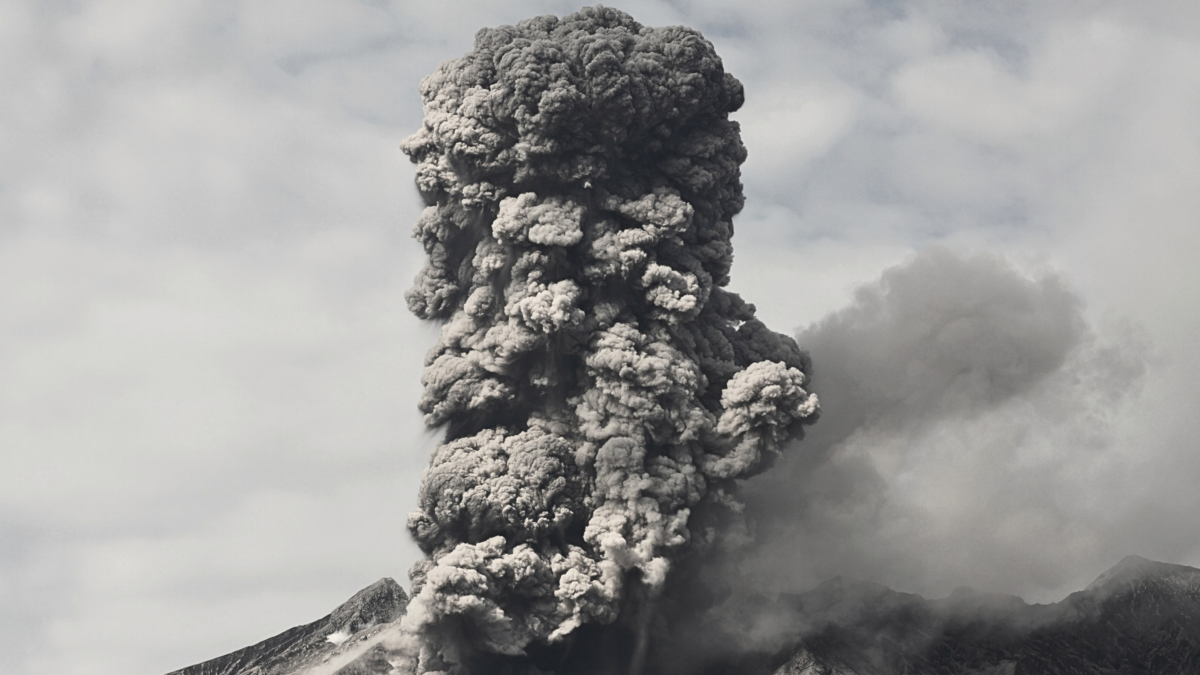
Approximately 7,300 years ago around 5250 BCE, a catastrophic event unfolded off the southwestern coast of Japan when the Kikai-Akahoya volcano erupted from beneath the seabed. Scoring a 7 out of 8 on the volcanic explosivity index, the massive blasts sent immense amounts of magma, powerful earthquakes, enormous tsunamis, and meters of volcanic ash across the Japanese islands. The disaster severely impacted the Jomon foraging communities living in the region at the time.
Resilience and Adaptation After Disaster
In a study published in Science Advances, an international team of researchers analyzed 540 archaeological samples dated from 8,000 to 6,500 years ago to understand how prehistoric human populations coped. By tracking radiocarbon-dated finds like charcoal and bones, the researchers assessed population activity before and after the eruption.
The findings revealed that while certain parts of the impact zone became uninhabitable for prolonged periods, human survivors in other areas demonstrated unexpected resourcefulness. Archaeologist Enrico Crema of Cambridge University noted that despite major loss of life, survivors migrated, forged new social connections, and innovated new economic strategies to thrive in post-disaster conditions.
In southern Kyushu, closest to the eruption, Jomon populations may have been declining even before the disaster. Conversely, communities in the north of the island were growing prior to the eruption and continued to rise afterward. Researchers suggest that survivors from inland areas may have relocated to coasts—where marine life recovered the fastest—and adapted to coastal living. Meanwhile, other regions like Ise Bay experienced population pauses or declines, potentially linked to short-term climate cooling, ash-impacted food sources, or worn-down grazing teeth in animals like deer and boar.
Lead researcher Peter Jordan of Lund University emphasized that the findings highlight how human communities can make critical choices, adjust, and collaborate even during overwhelming natural catastrophes.
