
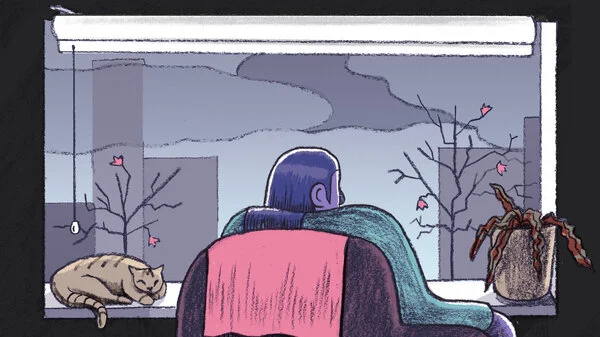
As daylight hours dwindle, many people experience a noticeable shift in mood and energy levels. While some may dismiss these feelings as the "winter blues," experts note that for others, this pattern indicates Seasonal Affective Disorder (SAD), a recurring type of depression linked to the changing seasons.
Identifying the Symptoms
Dr. Norman Rosenthal, a psychiatrist who conducted the foundational research on SAD, describes the experience as feeling like a "hibernating bear." Common indicators include persistent low mood, a lack of motivation, social withdrawal, and significant changes in sleep or appetite. Unlike general sadness, SAD typically follows a predictable timeline, beginning in the fall or winter and lifting as spring approaches.
Managing Seasonal Shifts
For those struggling with these symptoms, professional guidance is essential. Treatment often involves light therapy, which uses specialized lamps to mimic natural sunlight, helping to regulate the body's internal clock. Other effective strategies include maintaining a consistent sleep schedule, engaging in regular physical activity, and speaking with a healthcare provider about therapeutic options or medication. If symptoms interfere with daily life, experts emphasize that seeking support is a proactive step toward managing the condition.
