
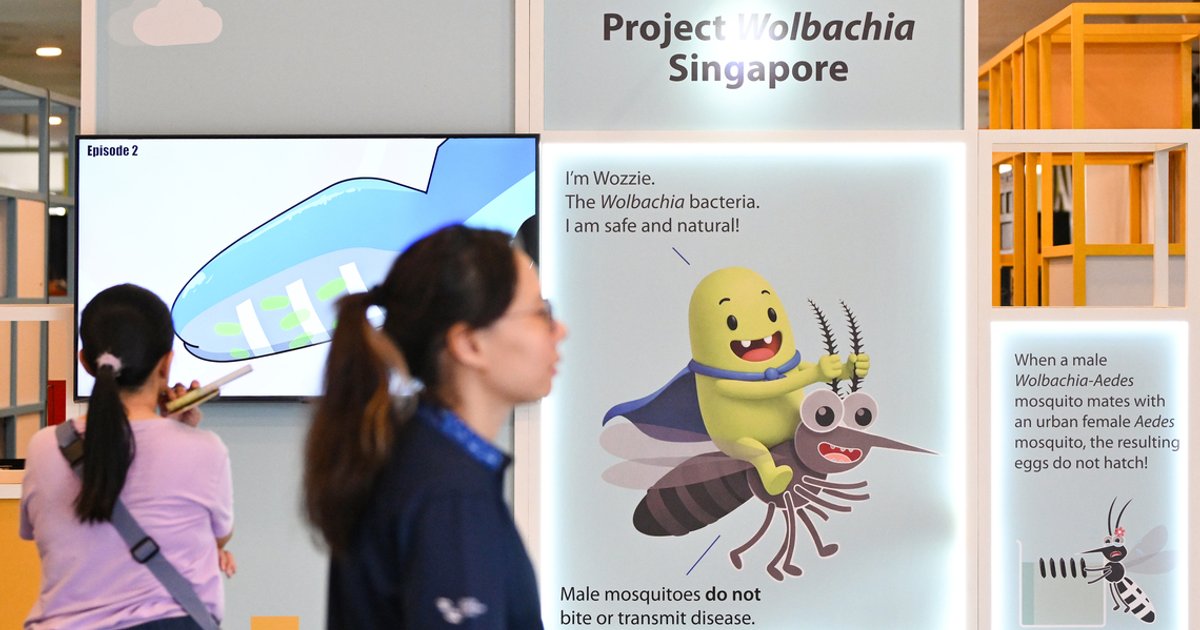
Singapore’s initiative to curb dengue fever, Project Wolbachia, has officially expanded to cover more than 840,000 households, representing 53% of the nation’s homes. The milestone, announced by Senior Minister of State for Sustainability and the Environment Janil Puthucheary on Oct. 31, marks a decade of progress since the program’s initial field study in 2016.
A Decade of Mosquito Control
The project utilizes lab-grown male Aedes mosquitoes infected with the Wolbachia bacteria. When these males mate with wild females, the resulting eggs fail to hatch, effectively suppressing the mosquito population over time. Following a launch in Ang Mo Kio on Oct 6, the initiative now covers most of the areas at risk of large dengue outbreaks.
While the project has been successful, Dr. Janil emphasized that it is not a "silver bullet." He urged residents to continue maintaining mosquito-free environments, noting that other mosquito species capable of transmitting diseases remain present.
Ongoing Challenges
Experts warn that the public must remain vigilant. Factors including the El Nino phenomenon and changing weather patterns as a result of climate change could result in 2027 seeing an increase in case numbers worldwide, including in Singapore. Raman, who previously headed the veterinary public health, vector control and environment unit of the World Health Organization’s Global Neglected Tropical Diseases Programme, noted: “So, we need to be on our guard.”
As the National Environment Agency (NEA) continues to monitor the situation, authorities maintain that public cooperation in preventing stagnant water remains essential to sustaining the progress made over the last ten years.
