
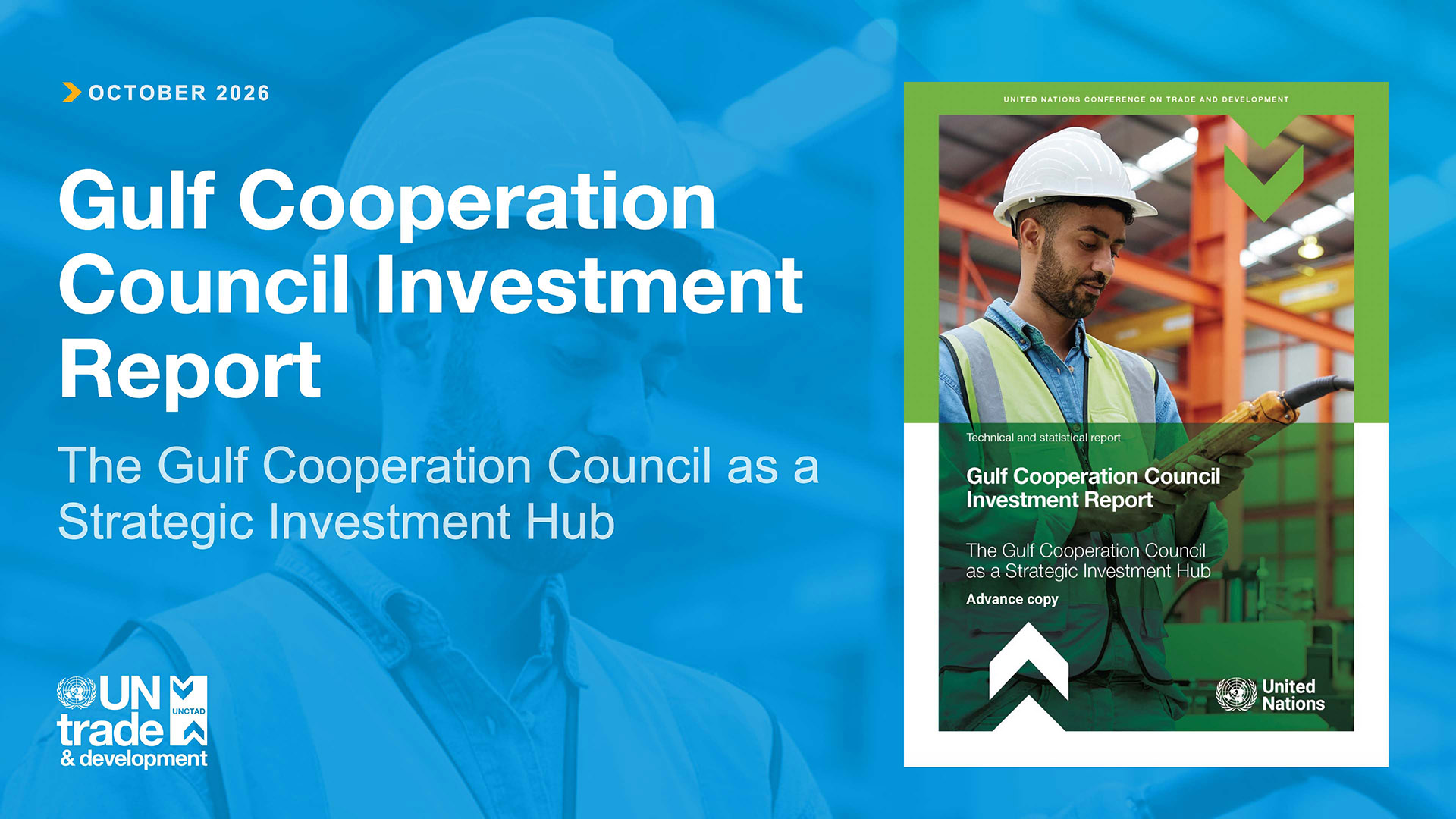
A new report from UN Trade and Development (UNCTAD) reveals that Gulf Cooperation Council (GCC) countries significantly bolstered their status as both global investment destinations and capital sources throughout 2025. Foreign direct investment (FDI) inflows into the region climbed 18% to approximately $99 billion, outpacing the 6% growth observed globally.
Regional Growth and Sector Trends
The United Arab Emirates and Saudi Arabia remain the primary drivers of this growth, collectively securing more than four-fifths of the region's total FDI inflows. The UAE led the region with $48 billion in receipts, while Saudi Arabia was responsible for roughly three-quarters of the total regional increase. This influx is largely attributed to ongoing economic diversification efforts and structural reforms aimed at attracting international capital.
The digital sector emerged as a major focal point for financing. Announced international project finance reached $114 billion in 2025, a 65% increase from the previous year. A significant portion of this growth was driven by telecommunications and AI infrastructure, highlighted by the $20 billion "Stargate" data-center project in the UAE.
Emerging Risks and Future Outlook
Despite the strong performance in 2025, the report warns that the ongoing crisis in the Strait of Hormuz is creating significant headwinds. Preliminary data from the first half of 2026 indicates a sharp, region-wide decline in investment activity. UNCTAD notes that if these disruptions persist, sovereign investors may shift their focus toward domestic resilience and infrastructure projects, potentially delaying overseas investments that are critical for energy transitions and development in Africa and parts of Asia.
To maintain long-term growth, the report emphasizes the need for deeper regional integration, improved transport alternatives to vulnerable maritime routes, and continued investment in domestic technology and skills.
