
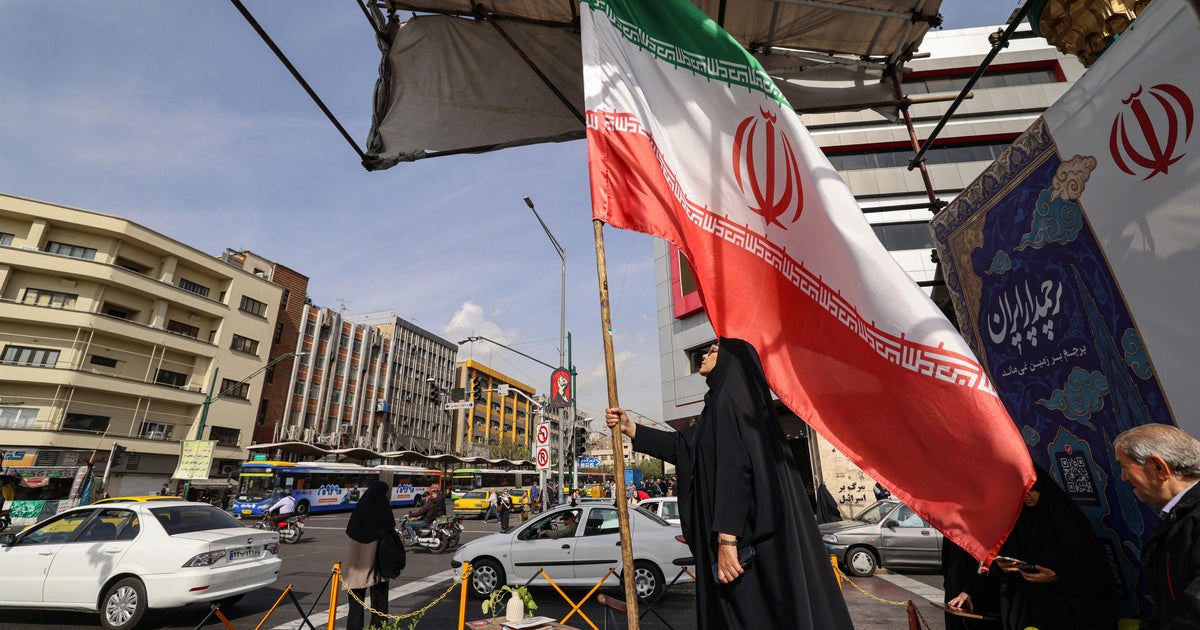
As indirect diplomatic talks mediated by Qatar continue, Iranian officials stated that Washington must decide whether to pursue a deal to end the ongoing Middle East conflict or return to active hostilities, while U.S. President Donald Trump keeps his ultimate intentions veiled ahead of midterm elections.
Diplomatic Talks and Competing Pressures
Qatari mediators have been facilitating indirect negotiations between the United States and Iran, focusing on a framework that could potentially halt Iranian attacks in the Strait of Hormuz in exchange for the lifting of the U.S. blockade on Iranian ports. Iranian Foreign Minister Abbas Araghchi noted that negotiators are reviewing proposals in Qatar, though the ultimate outcome depends on responses from Washington.
Meanwhile, regional tensions remain acute. According to regional sources cited by the Associated Press and Axios, Israeli Prime Minister Benjamin Netanyahu urged President Trump during a weekend call to launch a swift air campaign against Iran following the U.S. midterm elections. However, President Trump opted to let ongoing negotiations proceed, stating publicly that he intends to finish the conflict soon "one way or the other" by either making a deal or concluding it through other means.
Market Reactions and Regional Fallout
Renewed dialogue and signals of potential de-escalation impacted global markets, sending Brent crude oil prices down roughly 7% to $105.03 per barrel. Despite diplomatic efforts, security incidents persist in the region. The United Kingdom Maritime Trade Operations (UKMTO) agency reported that a merchant vessel was struck by an unknown projectile in the Strait of Hormuz, following an earlier reported attack on a Qatari liquefied natural gas carrier.
U.S. allies in the Middle East, including the United Arab Emirates, have expressed hope for a diplomatic breakthrough while cautioning that they are bracing for potential escalation if negotiations collapse and active combat resumes.
