
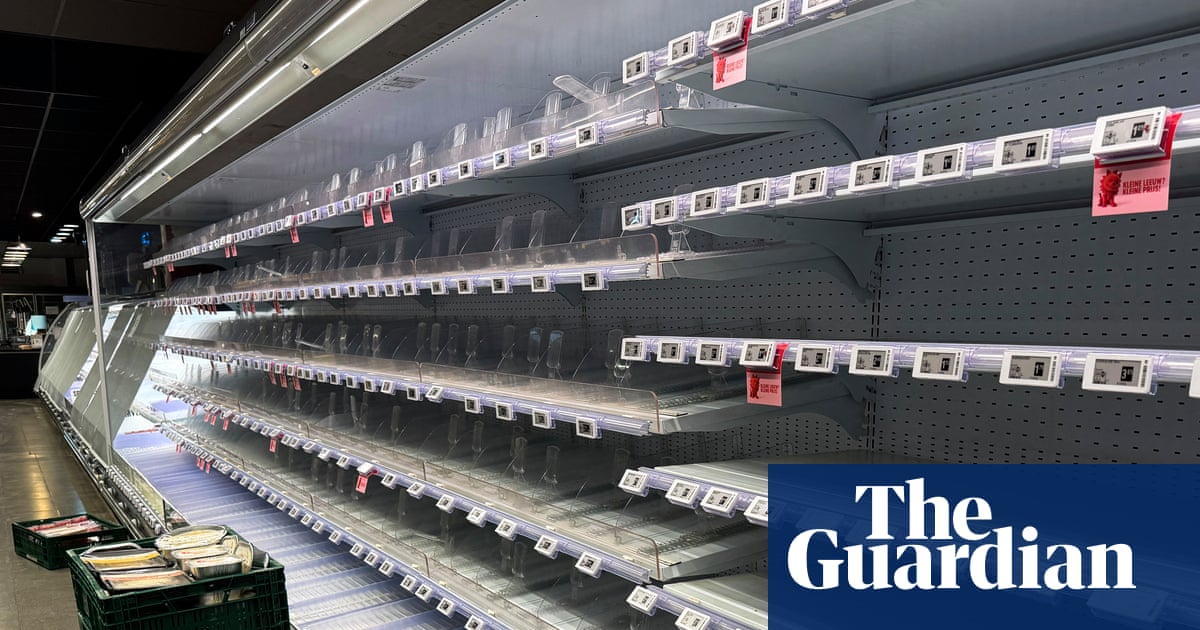
The latest wave of malfunctions impacted retailers including Carrefour, Intermarché, and Ikea in Belgium, Coop and ICA in Sweden, Delhaize in Luxembourg, Kesko in Finland, SuperValu in Ireland, and stores in Estonia. The incident mirrors a similar event three weeks prior that forced French retailers to discard large quantities of spoiled food after management software was seized by anonymous actors. Comparable unexplained malfunctions also affected US military base commissaries in August, drawing a Pentagon investigation.
Motives and Suspected Culprits Remain Unclear
Investigators have yet to identify a culprit, as no hacktivist group has claimed responsibility and no ransomware demands have been made. Cybersecurity experts suggest the disruptions could stem from a lone-wolf hacker or represent a state-backed demonstration of capability. Analysts point to possible links with ongoing sabotage campaigns attributed to hostile foreign actors in Europe, though no definitive evidence has surfaced.
The attacks succeeded due to the relative simplicity of exploiting internet-exposed appliance management software without deploying traditional malware, leaving virtually no digital traces behind. Experts note that commercial refrigeration systems often run on outdated software because patching vulnerabilities can require costly offline maintenance or simply escape the attention of operators.
In response to the breaches, retailers and suppliers have accelerated software updates. While the UK has not been directly affected, British retailers are consulting with the National Cyber Security Centre (NCSC) to reinforce security measures across domestic refrigeration networks.
