
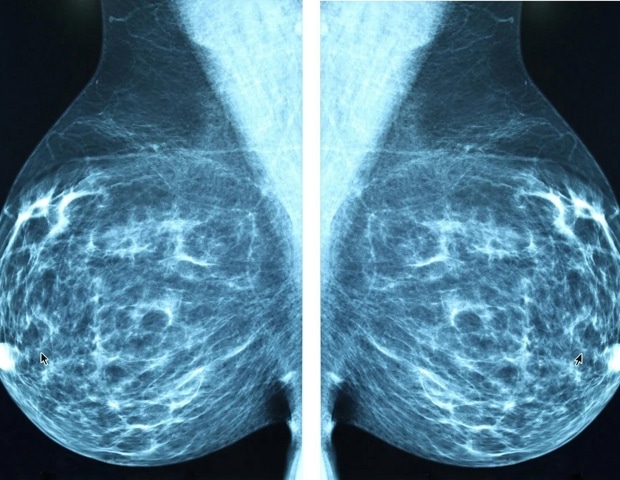
Researchers at The Ohio State University Comprehensive Cancer Center – Arthur G. James Cancer Hospital and Richard J. Solove Research Institute (OSUCCC – James) have identified a promising new strategy for treating metastatic triple-negative breast cancer (TNBC). A recent preclinical study indicates that a dual-targeted therapeutic approach can effectively eliminate cancer cells, inhibit tumor progression, and reduce the spread of the disease.
A Multi-Pronged Approach to Treatment
Triple-negative breast cancer is known for being particularly aggressive and difficult to treat because it lacks the receptors commonly targeted by hormone therapies. By attacking the cancer through two distinct pathways simultaneously, the research team aims to overcome the resistance often seen in TNBC cases. The study results suggest that this combined method significantly improves the ability to control tumor growth compared to single-target interventions.
While these findings are currently limited to preclinical models, the development offers a potential roadmap for future clinical trials. If successful in human subjects, this dual-targeted therapy could provide a much-needed alternative for patients facing advanced, metastatic forms of the disease.
